Castor Oil: The Five Percent That Matters
Ricinus communis. A small amount, and the lather wouldn't be the same without it.
Where it comes from
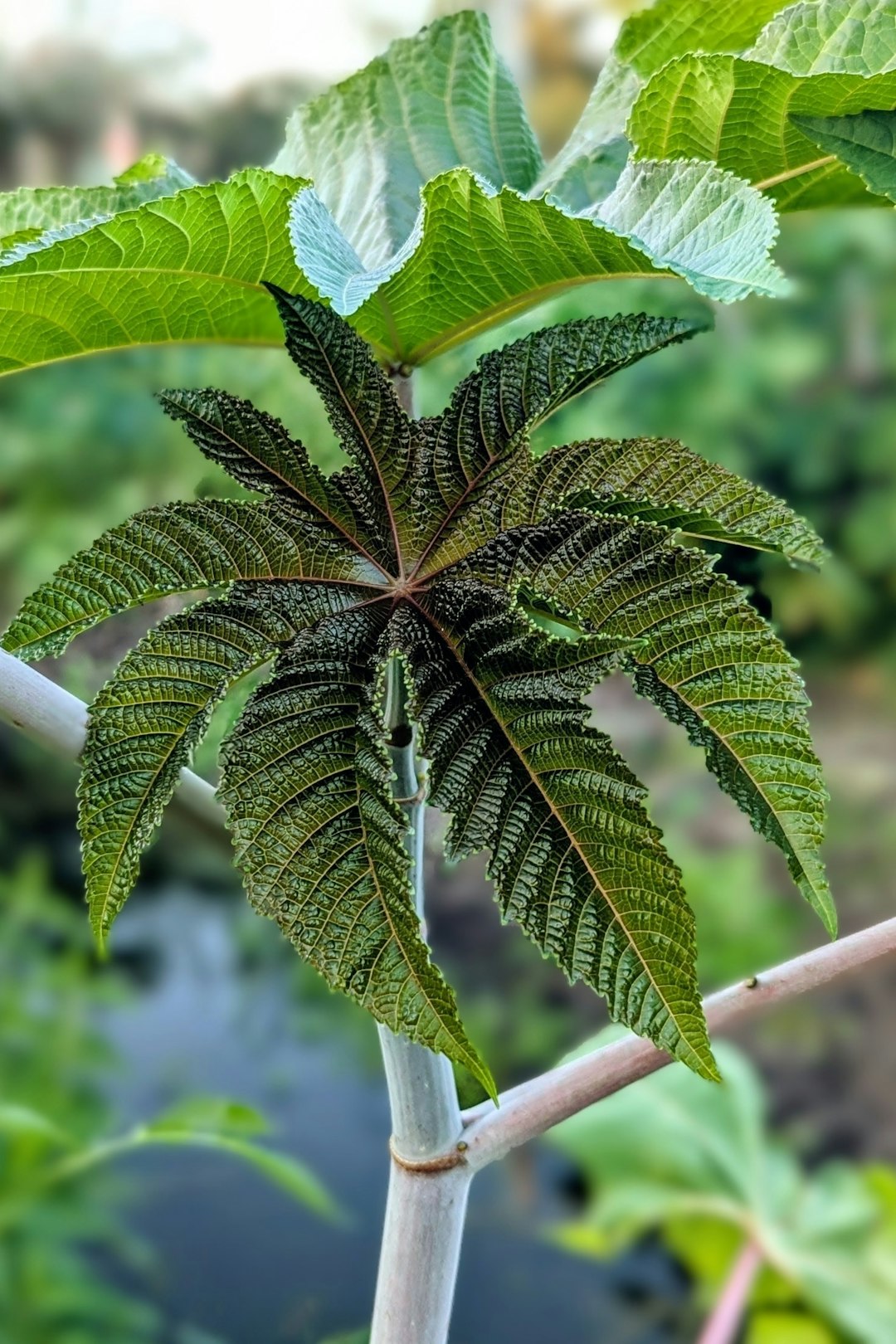
Castor oil has been found in Egyptian tombs dating back 4,000 years, where it was used for lamps, skin and medicine. It's pressed from the seeds of the castor plant, which grows across India, Brazil and East Africa. India now produces most of the world's supply. The plant itself has a colourful history: the raw seed is toxic, but the pressed oil is completely safe and has been a household staple for centuries, from Victorian nurseries to modern lip balm. Ours is certified organic and appears on the label as Sodium Castorate.
What it does in the bar
Castor oil is the soapmaker's secret weapon. Chemically it's unusual (it's mostly ricinoleic acid, which almost no other plant oil contains), and that unusual structure does something specific in soap: it makes the lather stable, creamy and glossy. Without it, coconut bubbles pop fast and disappear. With it, the foam holds together and feels rich. We use it in a small amount, around five percent, because that's all it takes.
What it does for skin
Castor oil is a humectant, which means it draws moisture toward the skin rather than sealing it out. That's why it turns up in so many lip and hair products. In soap it adds a little slip to the lather and helps the bar rinse clean without squeak.
Good to know
Too much castor oil makes a soft, sticky bar, which is why you'll never see it high on a soap label. Five percent is the sweet spot, and that's where ours sits.
It's in every bar we make: shop the collection.