Shea Butter: Women's Gold
Butyrospermum parkii. Women's gold.
Where it comes from
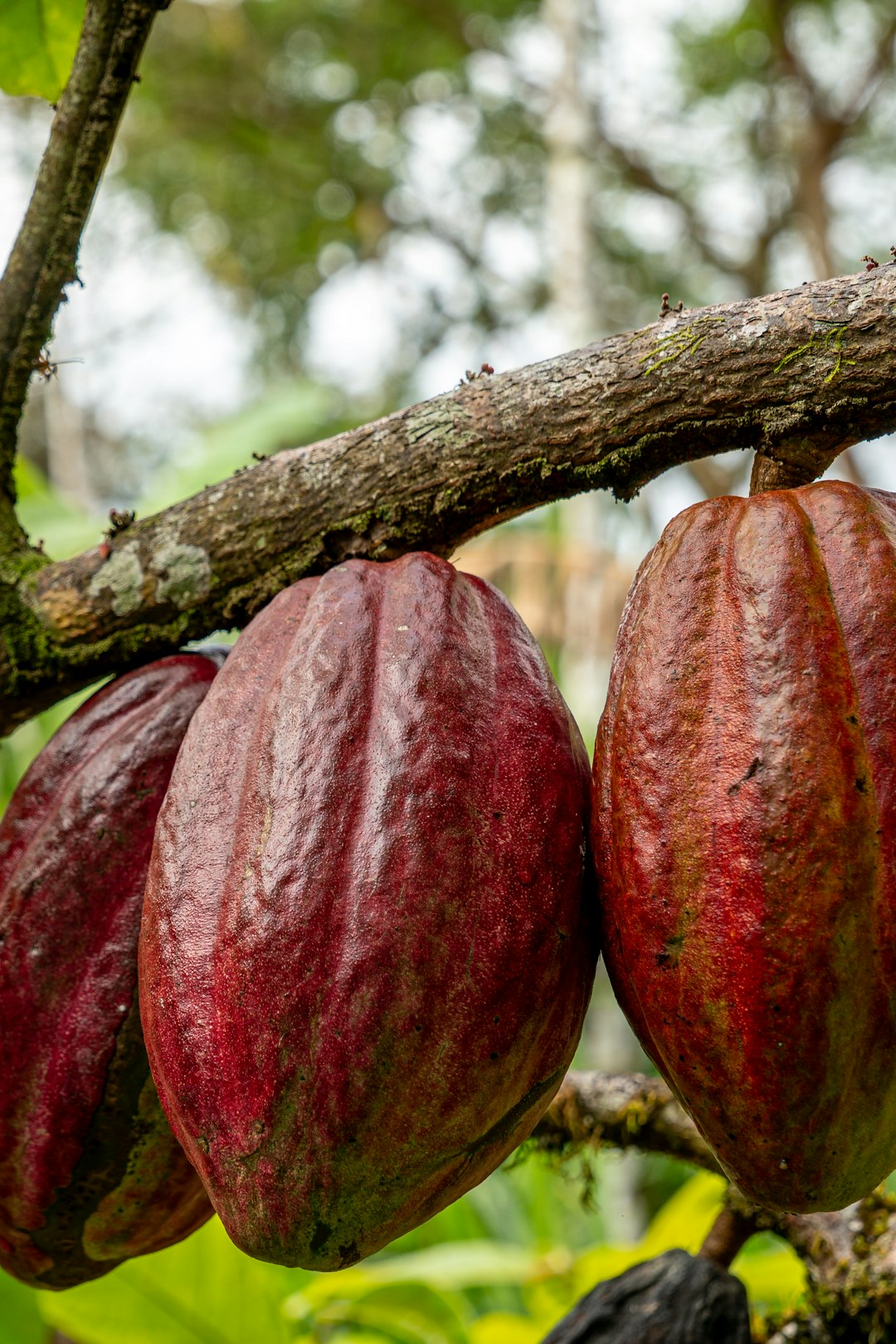
The shea tree grows wild in a band across West and Central Africa, from Senegal to Uganda, and it can't be farmed in any serious way: it takes 15 to 20 years to bear fruit and refuses to grow outside its home range. Every kilo of shea butter in the world starts with someone gathering fallen nuts by hand, usually a woman, which is why it's known across the region as "women's gold." The nuts are dried, cracked, roasted, ground and kneaded with water until the butter separates. Cleopatra is said to have travelled with clay jars of it. It's been used on skin, hair and cooking pots for at least a thousand years.
What it does for skin
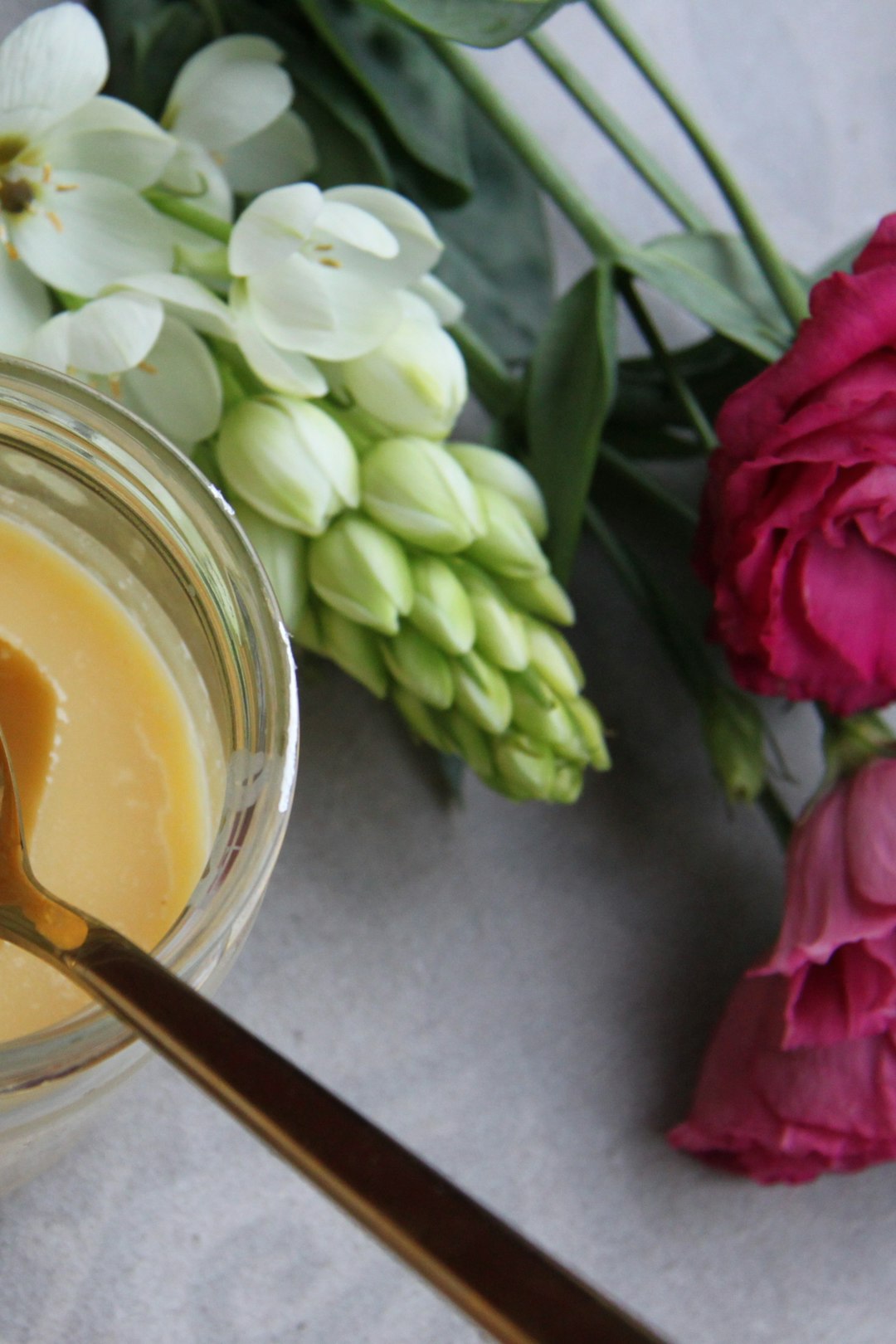
Shea is one of the richest natural moisturizers there is, packed with stearic and oleic acids plus a large fraction of unsaponifiables (the part of an oil that doesn't turn into soap and stays behind to condition your skin). That last bit matters: it means some of the shea in our bar survives the soap-making process as actual shea butter, sitting in the lather and going onto your skin. It's a big part of why our bars don't leave you tight and dry.
What it does in the bar
Shea also hardens the bar and makes the lather dense and creamy rather than thin. Ours is certified organic and appears on the label as Sodium Shea Butterate.
It's in every bar we make: shop the collection.