Elderflower: The Hedgerow Flower
Sambucus nigra. The hedgerow tree with a thousand superstitions.
Where it comes from
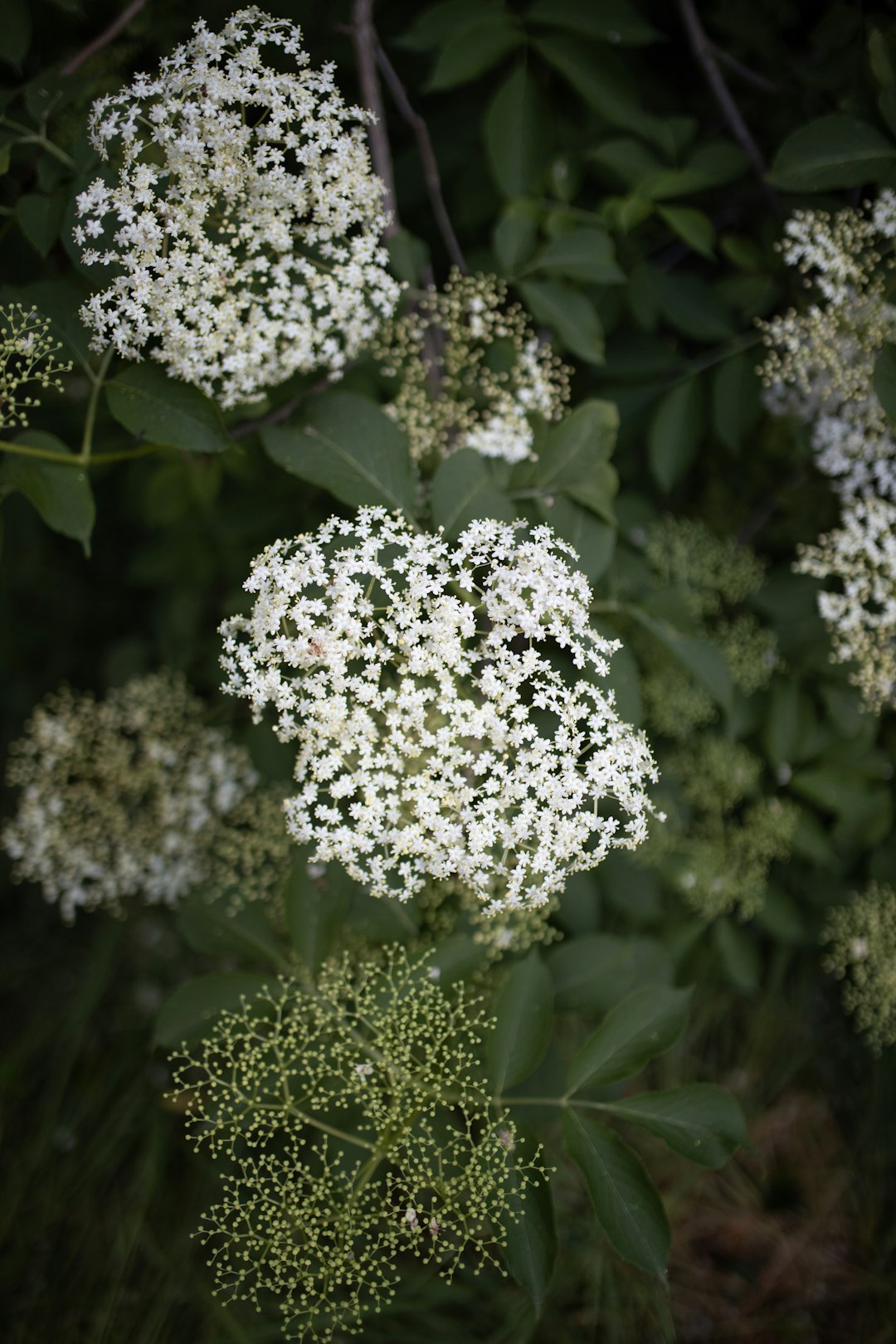
Elder grows wild across Europe and has been planted beside cottages for centuries, partly for the flowers and berries and partly because folklore said it kept witches away. Hippocrates called it his "medicine chest," the flowers have been made into cordials and fritters since medieval times, and elderflower champagne is still a British summer tradition. The creamy, lace-like flower heads bloom for just a few weeks in late spring, and the extract is made from those flowers. It's a familiar plant in Ontario too, where it grows along field edges and creek banks.
What it does for skin
Elderflower has a long history in European skincare as a gentle, softening flower. Victorian ladies used elderflower water as a skin tonic, and it's traditionally been used to soothe and brighten. In our bar it's a supporting botanical, adding softness to the lather and rounding out the fruit and jasmine.
How it smells
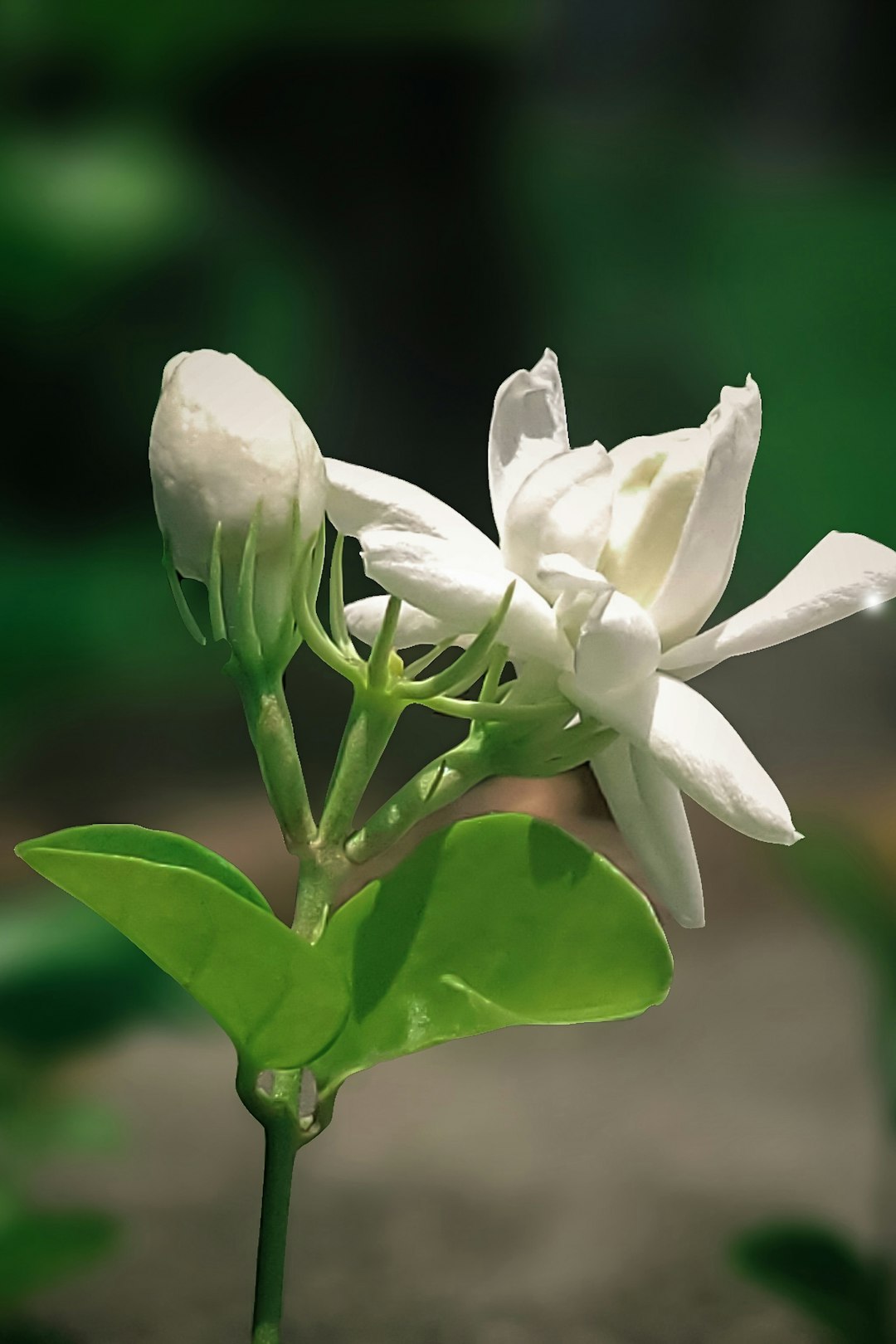
Honeyed, floral and faintly like fresh-cut grass. It sits underneath the currant and jasmine in our Black Currant + Jasmine bar, taking the sharp edges off the fruit and the heaviness off the flower so the whole thing smells like a garden party rather than a perfume counter.
Good to know
Elderflower is one of the gentlest botanicals we use, which is part of why this bar suits dry skin so well.