French Yellow Clay: The Sunshine Clay
Illite. The sunshine clay.
Where it comes from
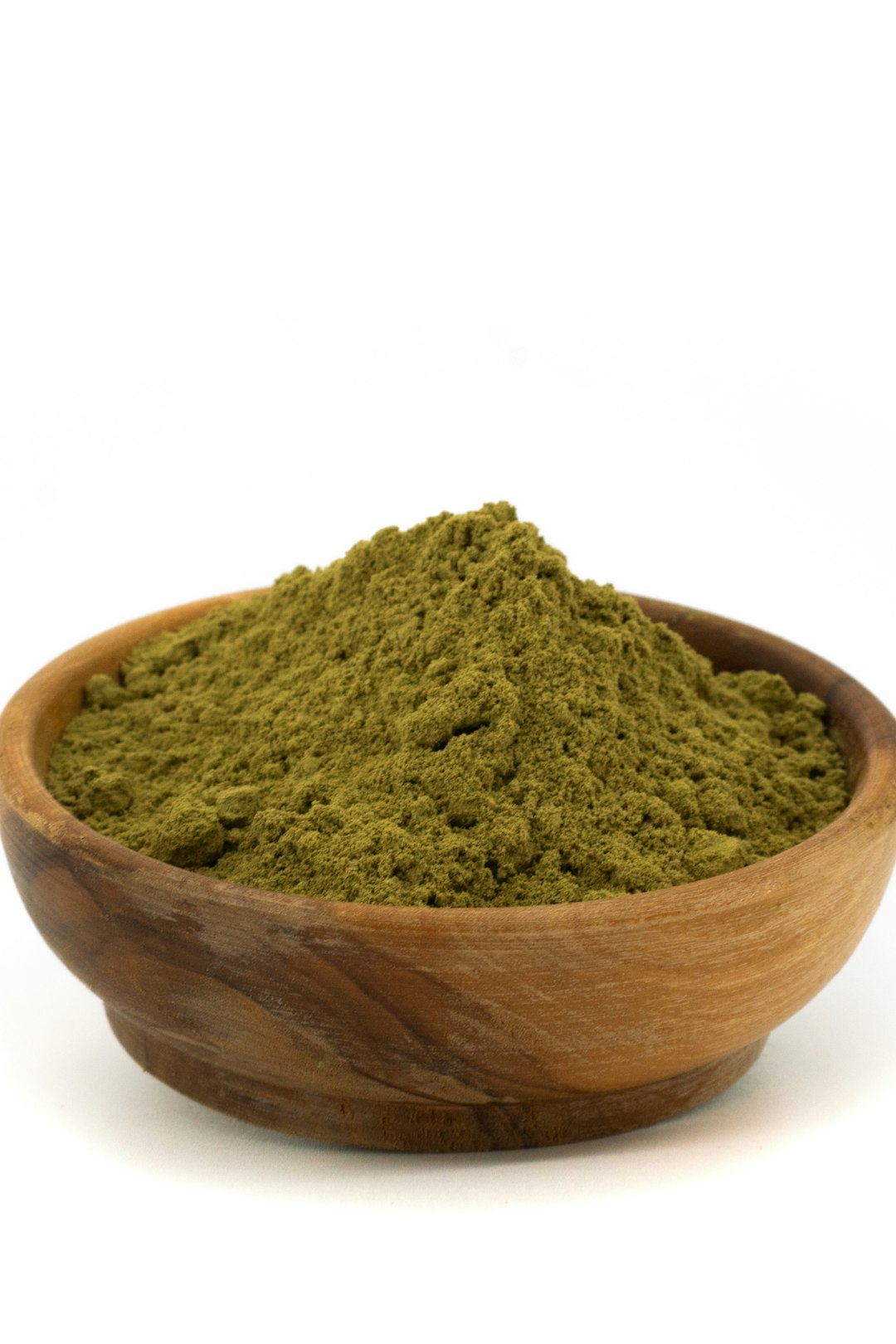
French yellow clay is an illite, the same mineral family as French green clay, and it's quarried from the same kind of ancient sedimentary deposits in France. The colour comes from iron oxides that have weathered gently over millions of years, giving the clay a warm, buttery yellow rather than the green or red of its cousins. Illite clays have been dug and used across Europe since Roman times for poultices, pottery and skin care, and the yellow variety has long been the choice for people who found green clay a touch too strong.
What it does in the bar
Yellow clay sits between kaolin and green clay in strength. It's gentler than green, more active than kaolin, and it brings a natural sunny colour to a bar without a single drop of dye. In the lather it adds a soft, silky slip and a light polish, and like all our clays it helps the essential oils stay put so the scent lasts longer on the shelf.
What it does for skin
Yellow clay is the mild exfoliating clay. It's traditionally used for normal, combination and tired-looking skin because it lifts away dead cells and excess oil without the pull of a stronger clay. It's a good middle-ground choice: enough to leave skin feeling refreshed, not so much that dry skin complains.
Which bars have it
It's the natural colour and the gentle polish in our Lemongrass & Ginger bar, where it matches the citrus and ginger with a colour to suit.