
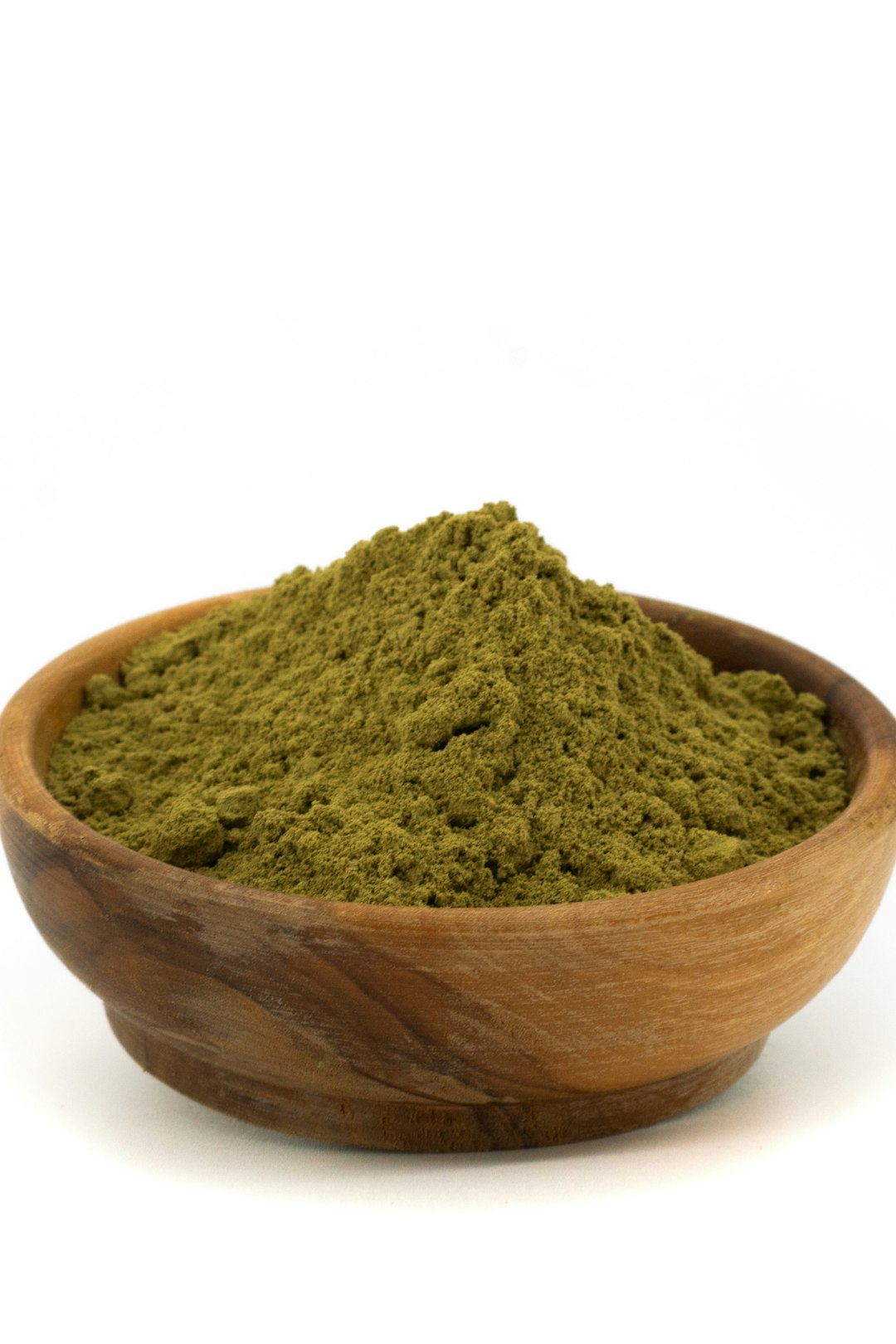
French Green Clay and Bentonite: The Working Clays
Montmorillonite and bentonite. The clays that do the heavy lifting.
Where they come from
Montmorillonite is named after Montmorillon, a town in west-central France, where it was identified in the 1840s. The famous "French green clay" is a montmorillonite that gets its colour from iron oxides and decomposed plant matter, and it's been quarried in France for over a century for use in poultices and masks. Bentonite is the same family of clay, named after Fort Benton, Wyoming, and formed from volcanic ash that settled in ancient seabeds. Both are "swelling" clays: add water and they expand and become slightly electrically charged, which is what gives them their pull.
What they do in the bar
These are our working clays. Kaolin is gentle; montmorillonite and bentonite are active. They draw oil and grime out of the skin, give the lather a smooth, almost creamy slip (bentonite is the clay in shaving soap for exactly that reason), and add a subtle natural colour without any dye. The purple tint in our Lavender + Rosemary bar and the green in Cedar Oakmoss both come from mineral clay, not colourant.
What they do for skin
Swelling clays are the traditional choice for oily, combination and congested skin because they lift out what's sitting in the pores. They're a big part of why our clay bars feel like they've actually cleaned something. On very dry skin they can feel a touch more clarifying than kaolin alone, which is why we point dry-skinned people toward Black Currant + Jasmine, which has no clay at all.
Which bars have them
Montmorillonite is in Lavender + Rosemary, Cedar Oakmoss and Lemongrass & Ginger. Cedar Oakmoss also gets bentonite, which is why it's our most clarifying bar.
Read more
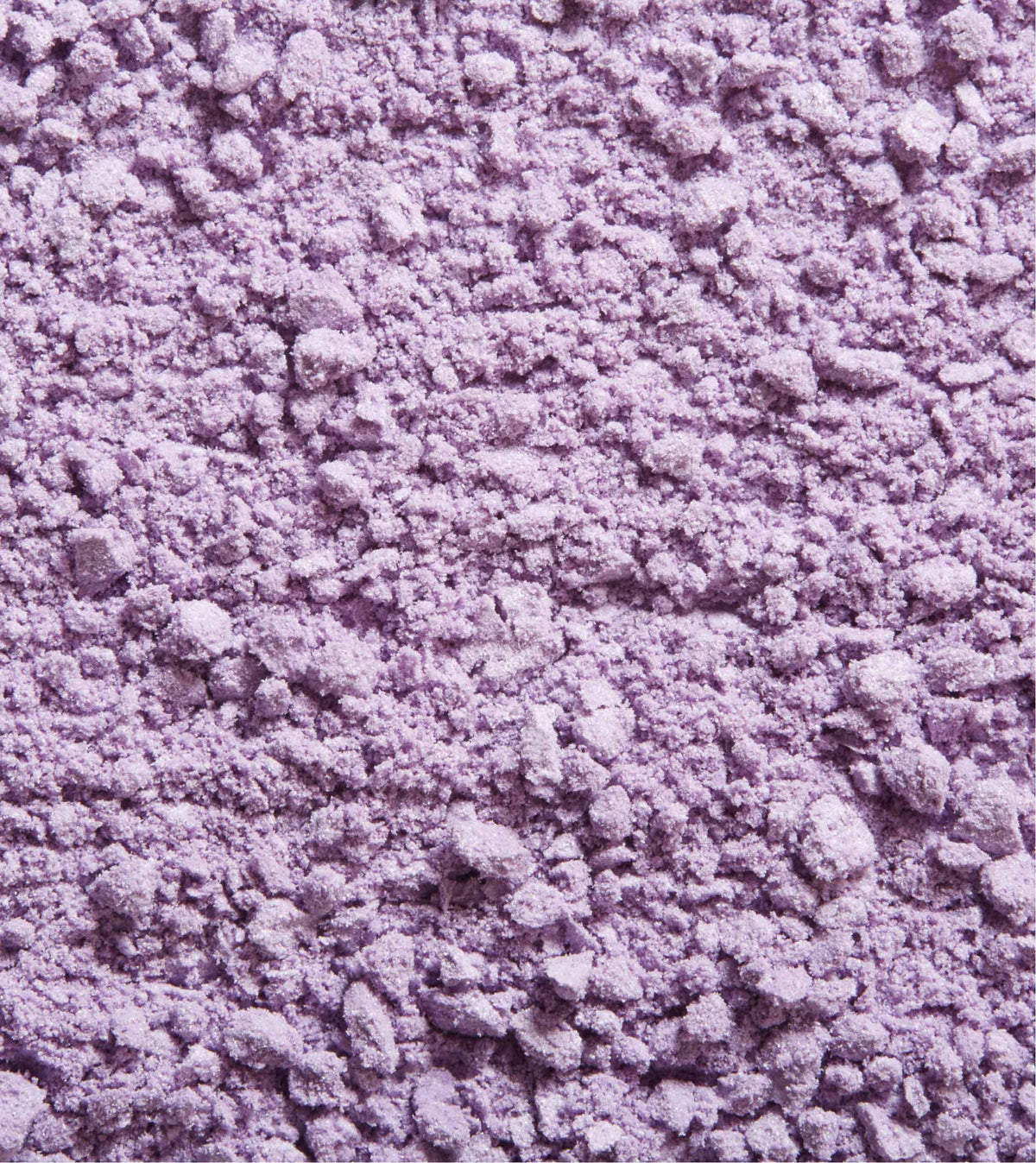
The rare violet clay from Minas Gerais that colours our Lavender + Rosemary bar and leaves skin a little softer for it.
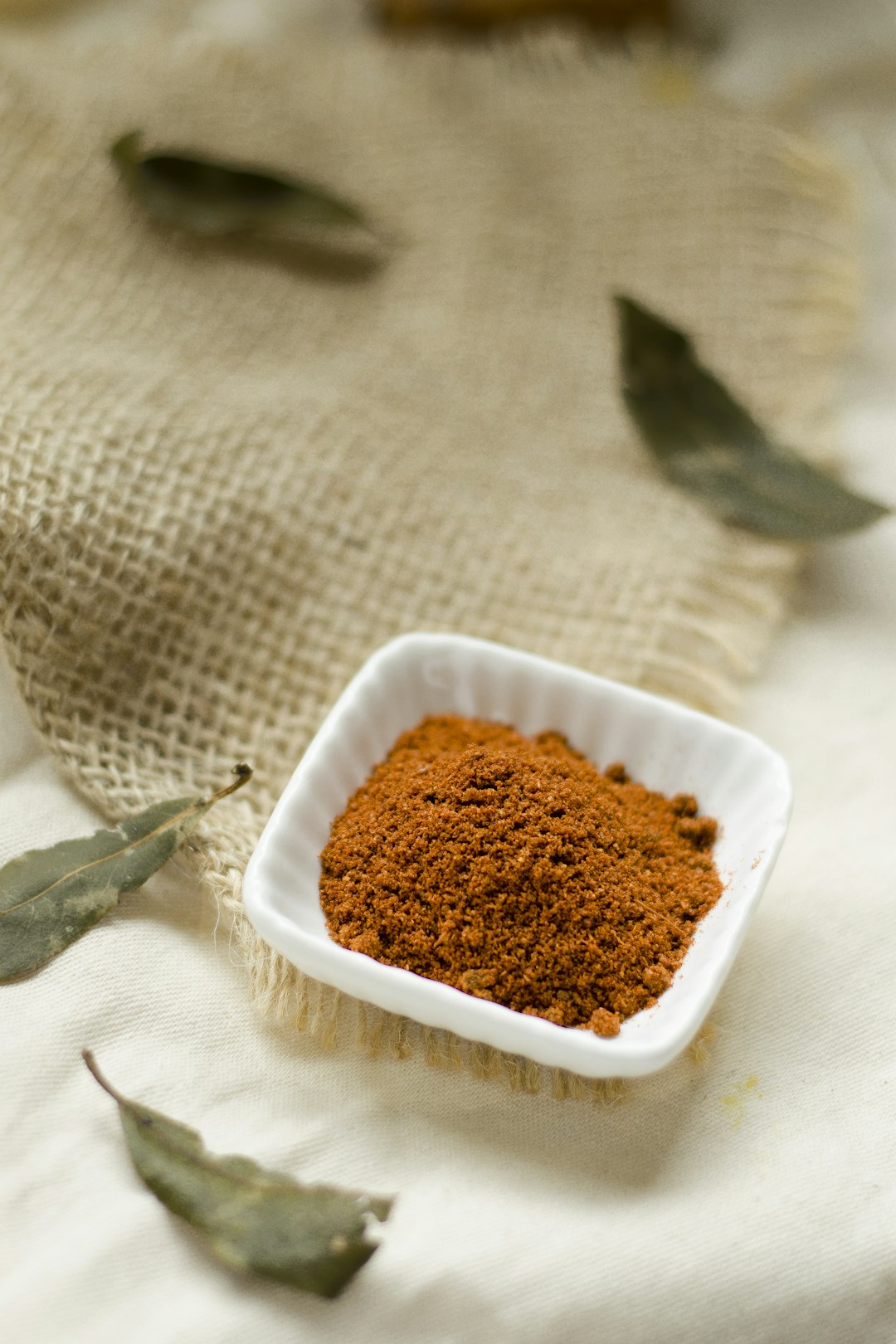
The mild, sunny clay that colours and polishes without dye, and the middle ground between kaolin and green clay.