Black Currant: The Forbidden Berry
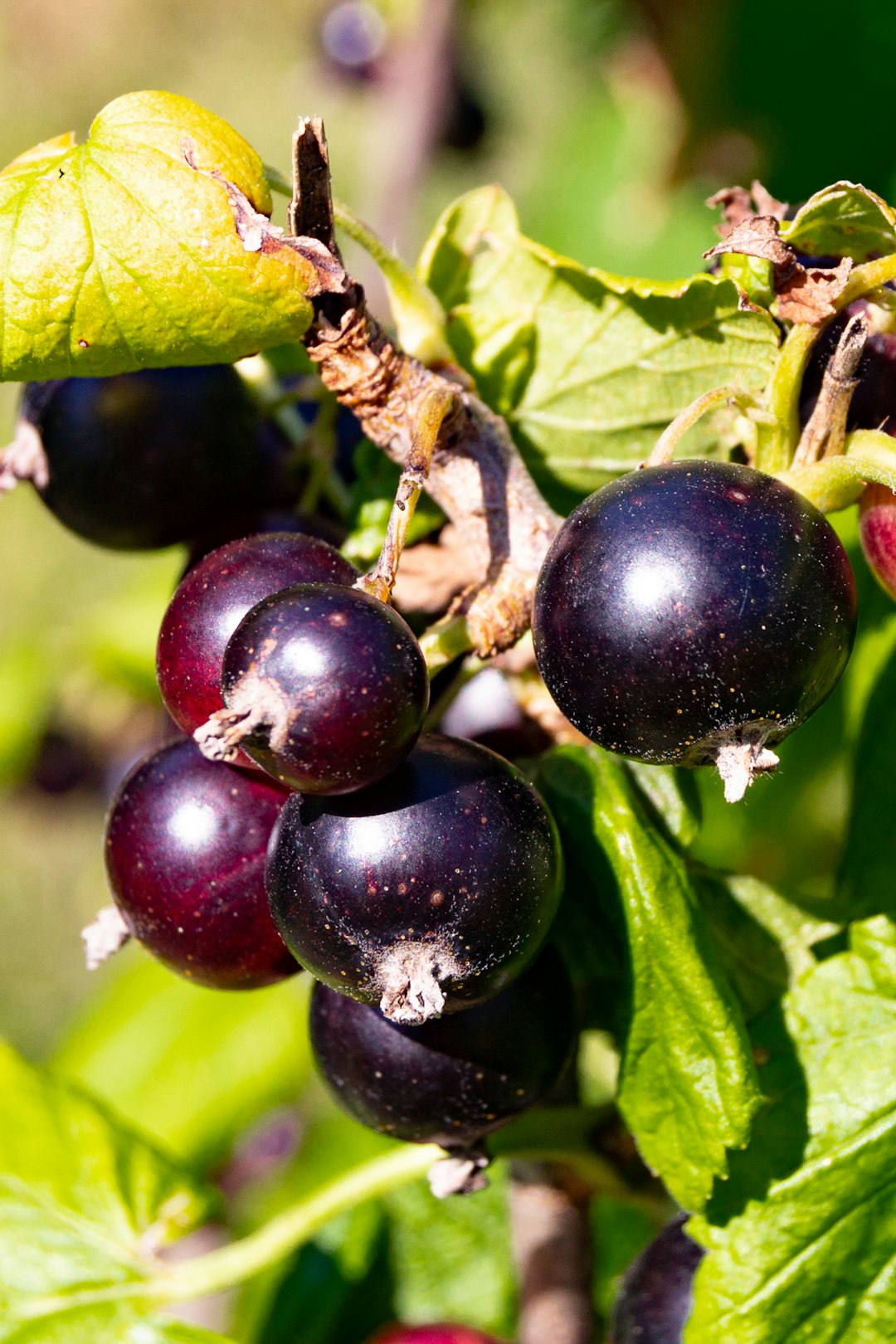
Ribes nigrum. The berry that was banned in America for 50 years.
Where it comes from
Blackcurrant grows wild across northern Europe and Asia and has been cultivated since the 1600s. The British fell so hard for it that Ribena, the blackcurrant cordial, was handed out free to children during the Second World War as a vitamin C source when oranges couldn't get through. Meanwhile in the United States it was banned federally in 1911 because the bush carries a fungus that harms white pine trees, and the ban only lifted state by state starting in 2003. That's why most North Americans have never tasted one. The extract we use comes from the buds, not the fruit. Blackcurrant bud absolute is a prized perfumery material, mostly from Burgundy, where the buds are picked by hand in early spring.
What it does for skin
Blackcurrant is naturally rich in antioxidants and has a bright, slightly tart character that reads as fresh on skin. In our bar it's used for scent, and it gives the lather a juicy, uplifting quality that's completely different from any other soap we make.
How it smells
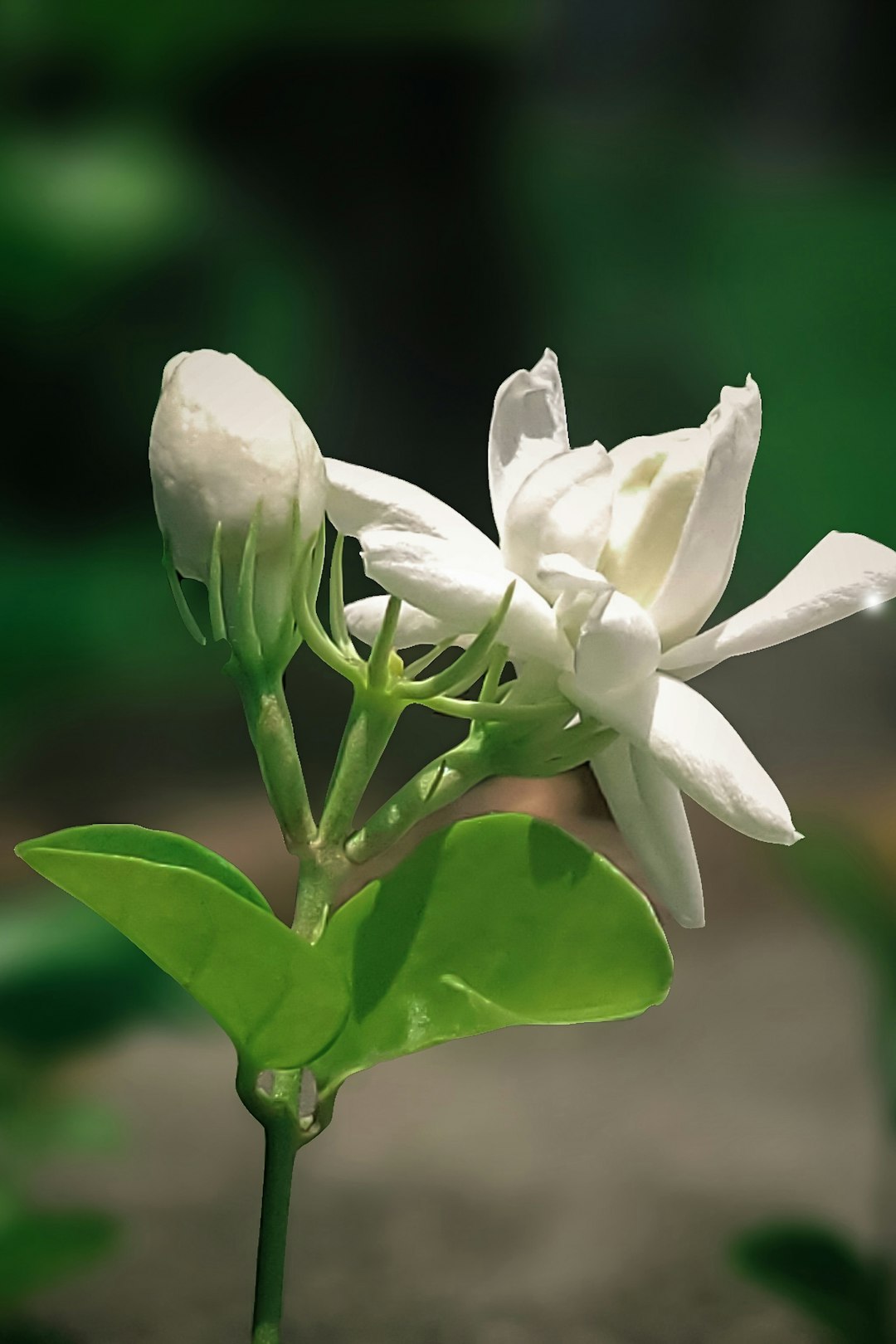
Tart, green and fruity, a little like a cassis liqueur with the sweetness dialled down. It's the top note of our Black Currant + Jasmine bar, the first thing you notice and the part that makes people say "what is that?"
Good to know
This is an extract rather than an essential oil, which is why the bar smells like fruit rather than herbs. It's gentle on skin and one of the softest-feeling bars we make.