Oakmoss: The Forest Floor
Evernia prunastri. Not a moss at all, but a lichen, and one of perfumery's oldest secrets.
Where it comes from
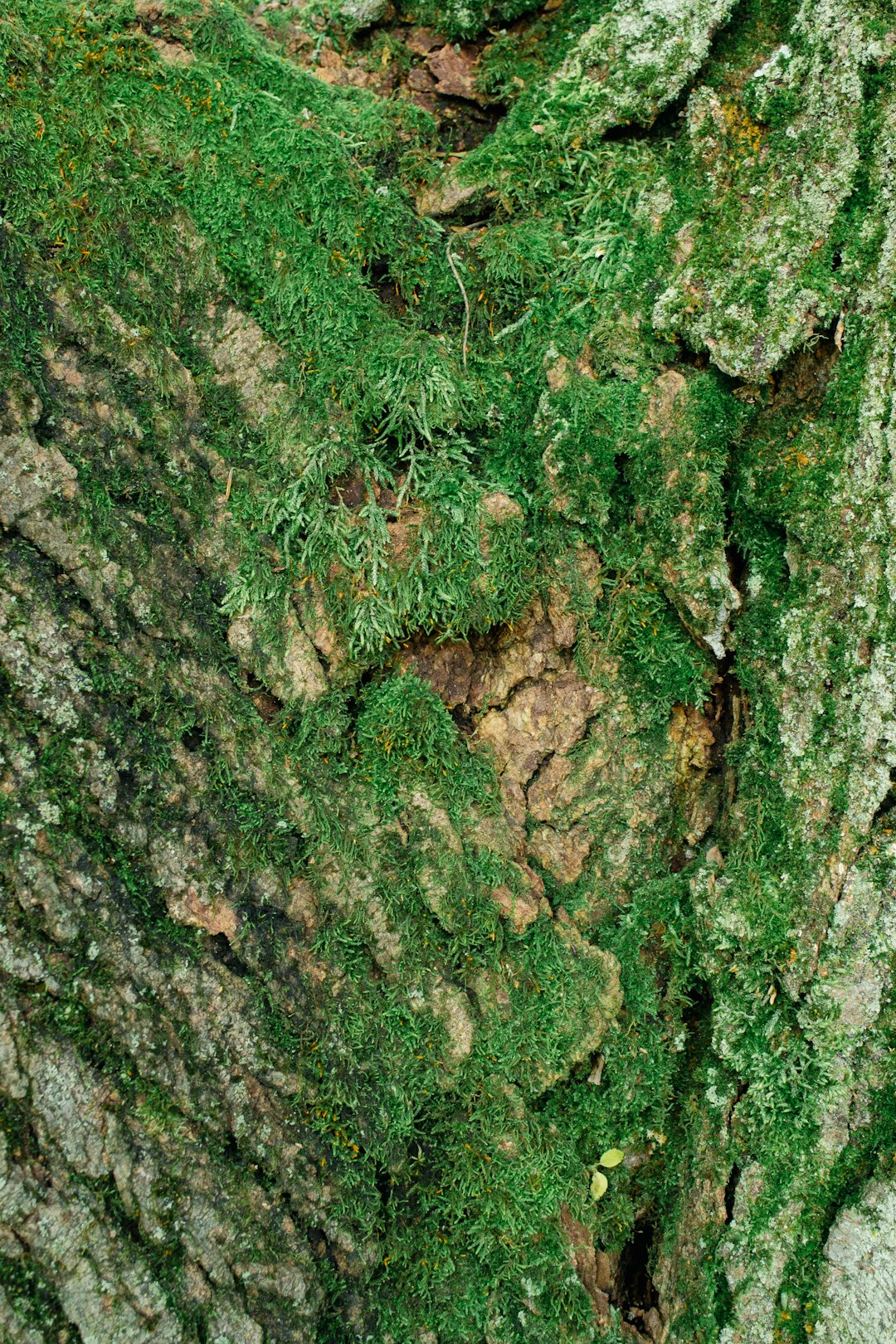
Oakmoss is a pale grey-green lichen that grows on the bark of oak trees (and sometimes pine and fir) across Europe and North America. It's harvested by hand, mostly in France, the Balkans and Morocco, and it's been used in perfume since at least the 16th century. It's the backbone of the entire "chypre" family of fragrances, the earthy, mossy style that defined classic French perfumery for a century. Ancient Egyptians packed it around bread to keep it fresh, and it was used to stuff pillows and scent linen long before anyone thought to extract it. Because it's a lichen, it can't be farmed. It has to be gathered from trees.
What it does for skin
Oakmoss is used almost entirely for its scent, in small amounts. In soap it anchors lighter oils so the fragrance doesn't disappear the moment you rinse, and it gives the lather an earthy, grounded character that people describe as "clean but not soapy."
How it smells
Damp forest floor, bark, a little leather and something faintly salty, like the smell of the woods after rain. It's the base of our Cedar Oakmoss bar and the reason that bar smells like a real forest rather than an air freshener.
Good to know
Oakmoss is one of the most regulated materials in perfumery because a small number of people are sensitive to it. We use a modern extract at a level well within cosmetic safety limits. If you have a known fragrance sensitivity, our Unscented bar is the safe choice.