
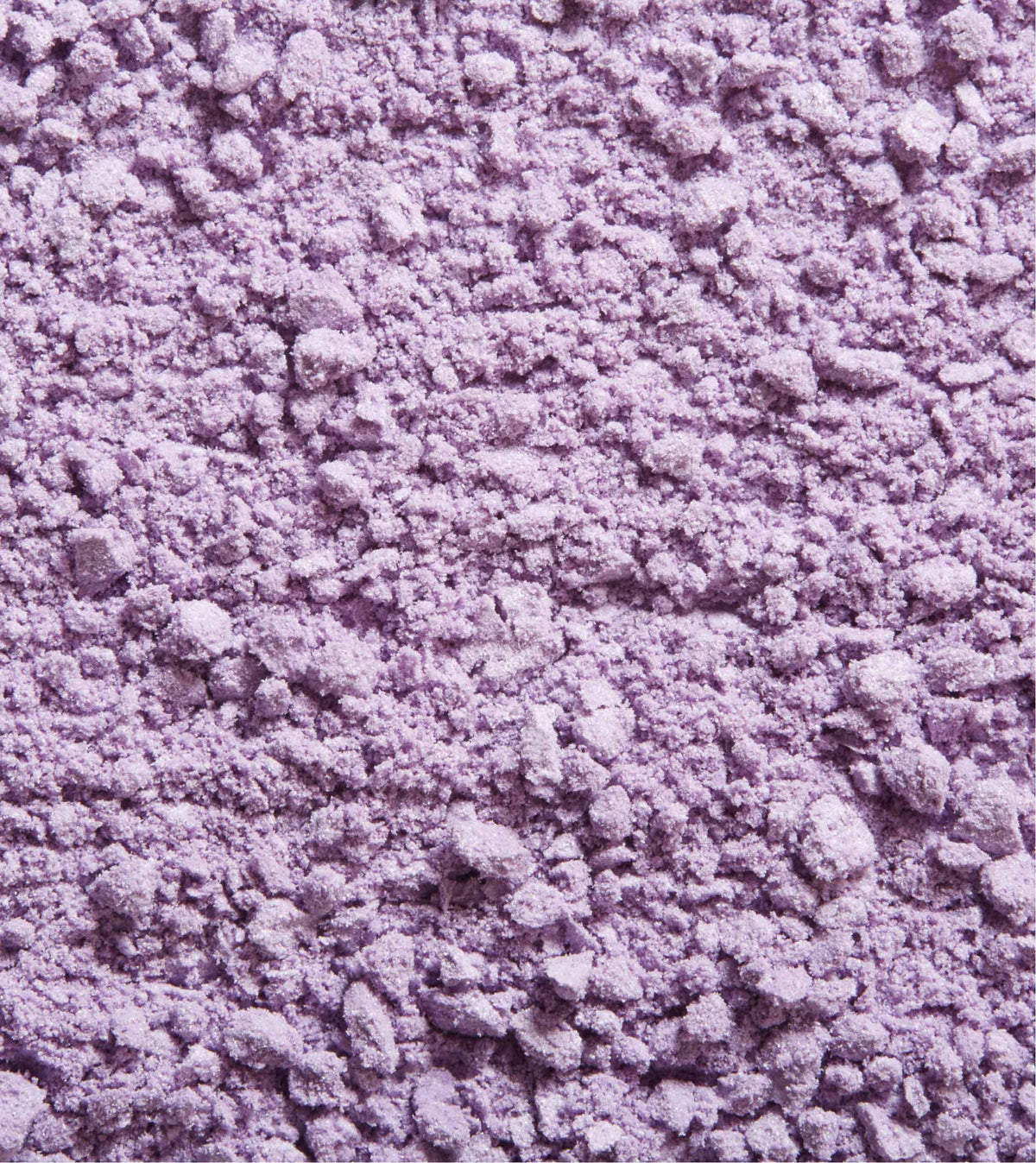
Brazilian Purple Clay: The Colour That Grows in the Ground
The clay that comes out of the ground already the right colour.
Where it comes from
Most coloured clays get their tint from iron. Red clay is iron oxide, yellow is iron hydroxide, green is iron mixed with decomposed plant matter. Purple clay is rarer, and the good stuff comes from one place: the mineral-rich soils of Minas Gerais in southeastern Brazil, where a particular mix of magnesium, silicon and trace iron sets in a soft violet that needs no help from us. It's mined, dried in the sun, milled to a fine powder, and that's it. What you see in the bar is what came out of the hill.
What it does
Two things. First, it colours. A small amount swirled through a batch of Lavender + Rosemary gives the bar its soft lilac, which is the only reason a lavender soap should ever be purple. We could use a dye. We'd rather use dirt.
Second, it works on your skin. Purple clay is one of the gentler cosmetic clays, closer to kaolin than to bentonite. It has a mild draw, enough to lift excess oil without stripping, and it leaves a faint silkiness behind. Facialists like it for dull or tired skin because it brightens without irritating. In a bar, that means a slightly smoother lather and a rinse that doesn't leave you tight.
What it's not
It isn't a miracle mineral, and we won't pretend otherwise. It won't detox you, because your liver and kidneys already do that. What it will do is make a bar look like a lavender field and feel a little softer than one without it. That's plenty.
Which bars have it
Just one: Lavender + Rosemary, where it does the colouring. If you've ever wondered why that bar is purple and the others aren't, now you know.
Read more
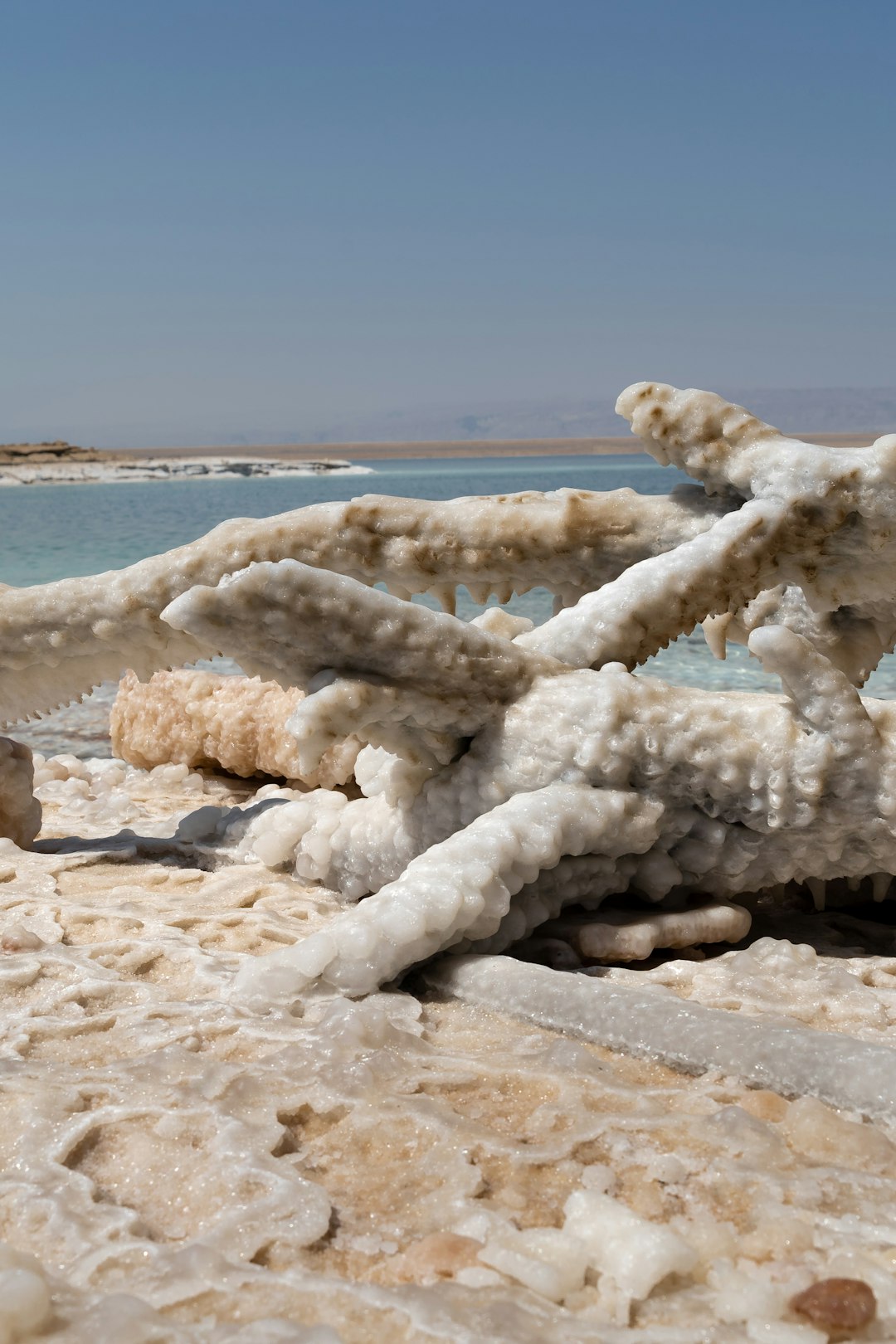
From 430 metres below sea level: the minerals in every scented bar and the deep clean in Eucalyptus Mint.
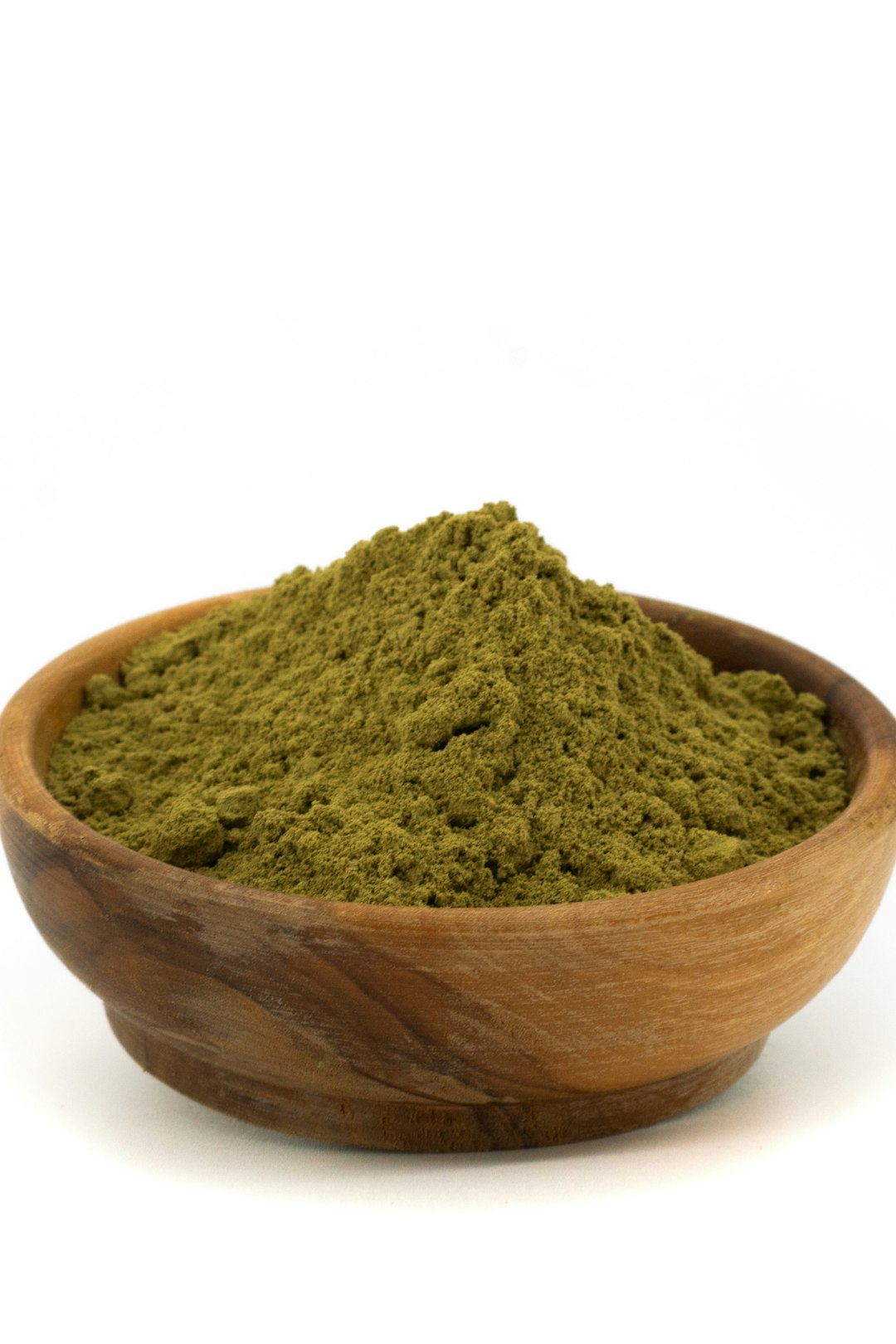
French green clay and its volcanic cousin, the working clays that draw out grime and colour the bars.