
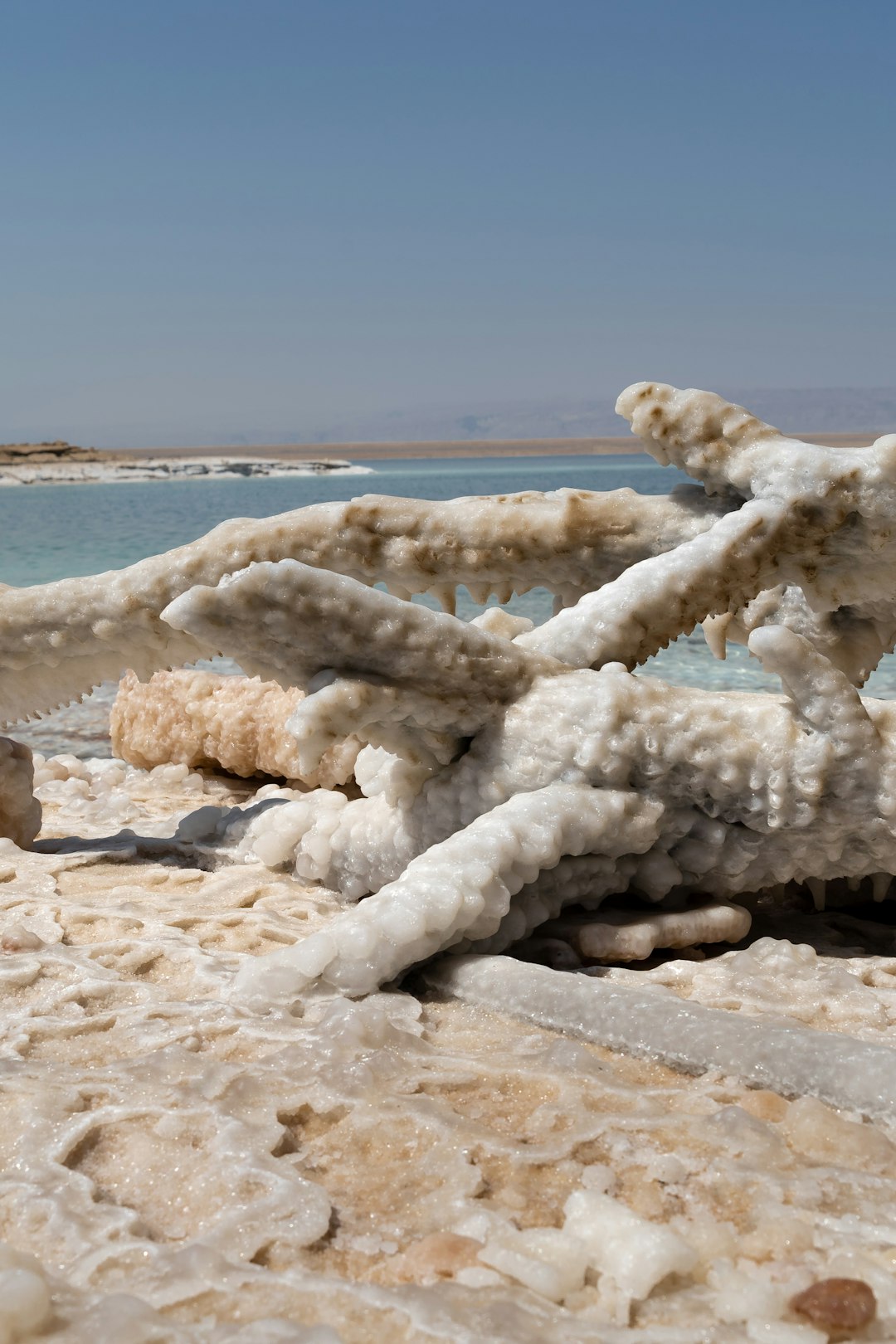
Dead Sea Mud and Salt: The Lowest Point on Earth
Maris Limus and Maris Sal. From the lowest point on earth.
Where they come from
The Dead Sea sits 430 metres below sea level on the border of Jordan and Israel, and it's nearly ten times saltier than the ocean. Nothing lives in it, hence the name. People have been going there for their skin for a very long time: Cleopatra reportedly had cosmetic factories built on its shores, and Roman historians wrote about the mud's healing reputation two thousand years ago. The black mud from the seabed and the salt from the evaporation pans are both harvested and sold around the world, and they remain among the most mineral-dense natural skincare ingredients there are.
What's in them
Dead Sea salt is unusual because it's low in sodium chloride (regular table salt) and high in magnesium, potassium, calcium and bromide, which is a very different profile from sea salt. The mud carries the same minerals plus fine silt and organic matter. On the label they appear as Maris Sal (sea salt) and Maris Limus (sea mud).
What they do in the bar
A small amount of Dead Sea salt goes into every scented Goodlather bar. It hardens the bar slightly and gives the lather a mineral, clean-rinsing quality. Dead Sea mud is the star of Eucalyptus Mint, where it does the deep-cleaning work and gives the bar its grey-green colour.
What they do for skin
Magnesium-rich minerals have a long traditional reputation for calming and softening skin, which is why Dead Sea products are so widely used for rough, dull or congested skin. In a rinse-off soap the effect is gentle, but the mud does give Eucalyptus Mint a noticeably deeper clean than our other bars, which is why it's the post-workout favourite.
Read more
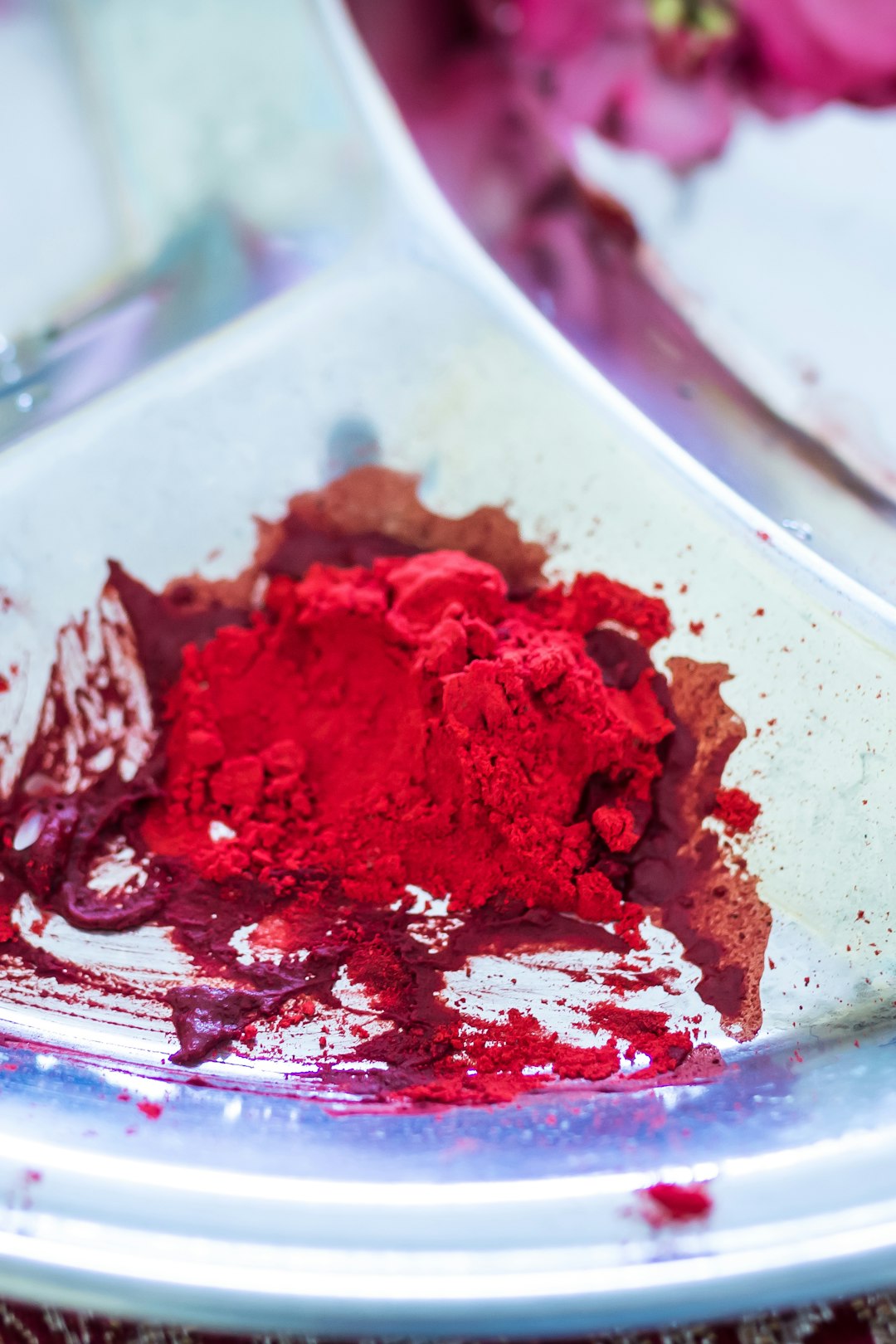
The dye behind redcoats and Persian carpets, and the natural pink in our Black Currant + Jasmine bar.
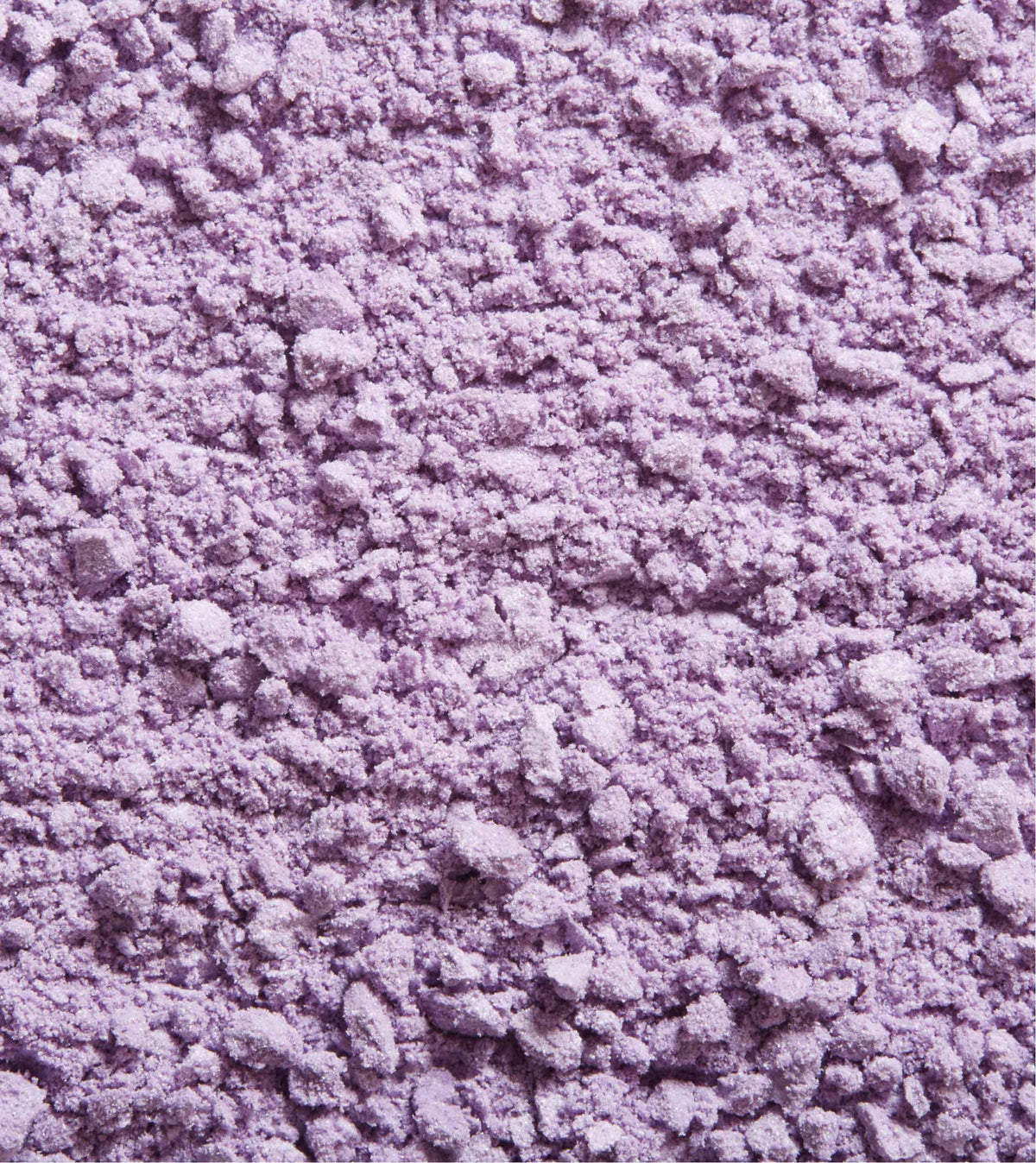
The rare violet clay from Minas Gerais that colours our Lavender + Rosemary bar and leaves skin a little softer for it.