Cedar Leaf: The Tree of Life
Thuja occidentalis. Canada's own cedar, and the tree that kept the first explorers alive.
Where it comes from
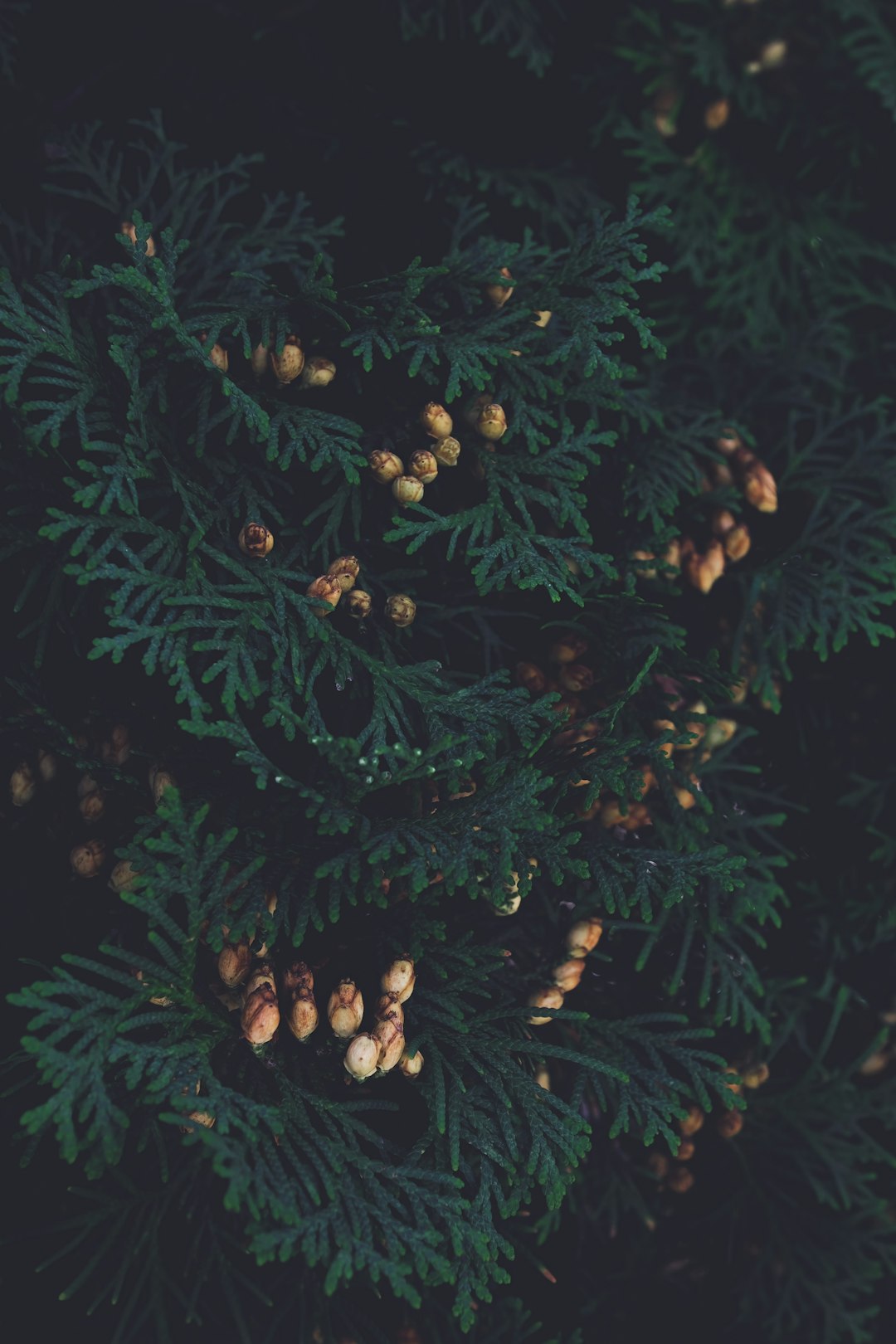
This one is ours. Eastern white cedar grows across Ontario, Quebec and the Maritimes, and it's the tree that gave Toronto its cedar-lined ravines. In 1536, Jacques Cartier's crew was dying of scurvy on the St. Lawrence when local Iroquoian people showed them how to brew a tea from its foliage. The cure worked so well that the French named the tree arbre de vie, the tree of life, and shipped it back to the royal gardens in Paris. Indigenous peoples across the northeast used it for canoes, baskets, medicine and ceremony long before that. The oil is steam-distilled from the fresh leaves and twigs, and most of it is produced right here in Quebec.
What it does for skin
Cedar leaf has a naturally clean, purifying character. Traditionally it's been used in steams and washes for congested skin, and in soap it adds a crisp, clarifying quality that suits oily and combination skin. It's the reason our cedar bar feels like a proper scrub without any grit.
How it smells
Fresh, green and resinous, like walking through a cedar grove after rain. It's the top note of our Cedar Oakmoss bar and the closest thing we make to bottling a Canadian forest.
Good to know
Cedar leaf oil is a strong oil, and we use it at a level that's safe and comfortable for daily body washing. Very sensitive skin should start with a gentler bar.