Rose Geranium: The Rose That Isn't
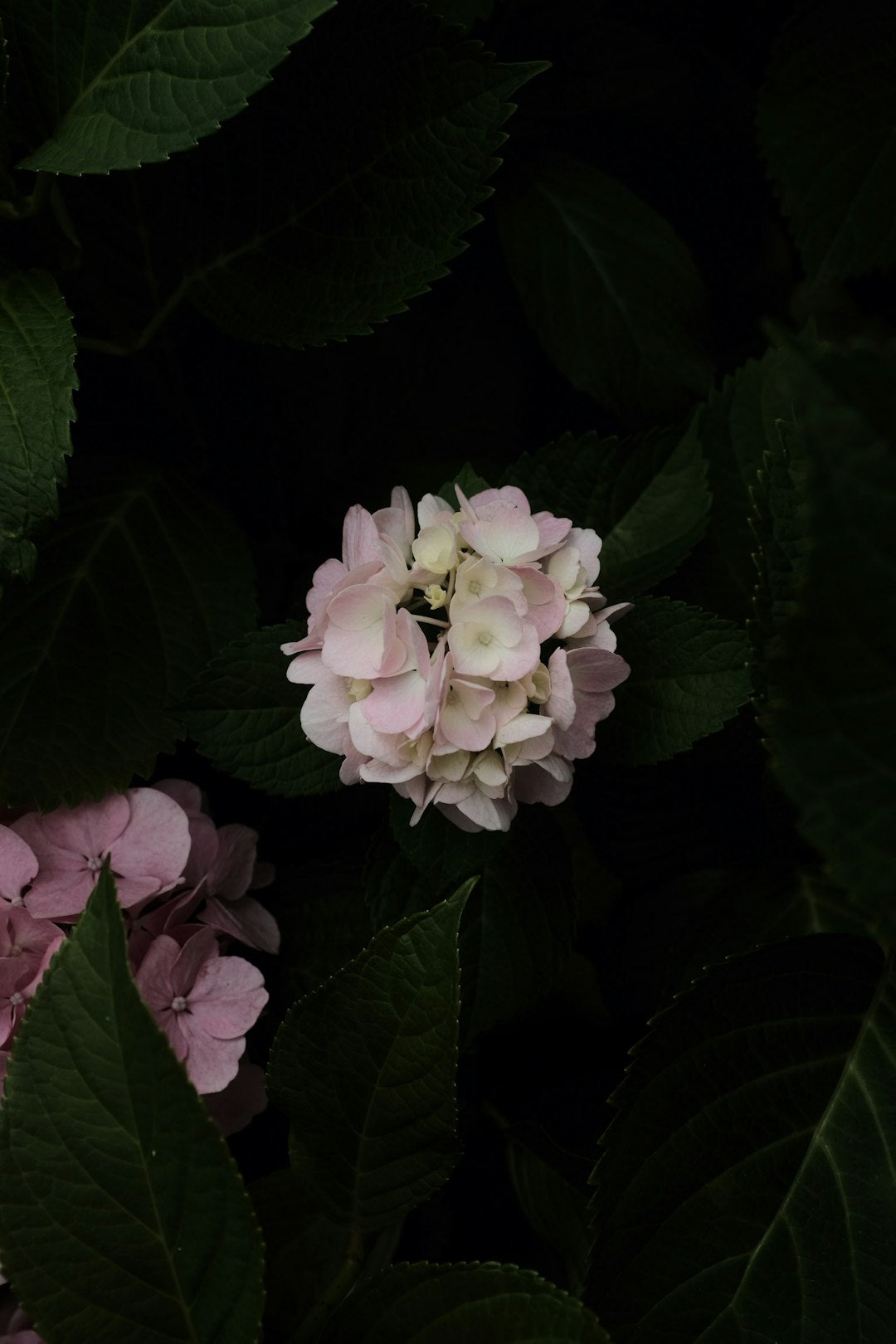
Pelargonium graveolens. The rose that isn't a rose.
Where it comes from
Geranium oil comes from a South African plant that isn't a true geranium at all, but a pelargonium, a cousin. It reached Europe in the 1600s as a greenhouse curiosity and by the 1800s French perfumers had discovered that its leaves, not its flowers, produced an oil that smelled remarkably like rose at a fraction of the price. It became a staple of French perfumery, was planted on Réunion island (where the prized "Bourbon" geranium still grows), and today most of it is distilled in Egypt and China. The oil is steam-distilled from the leaves and stems.
What it does for skin
Geranium is one of the classic balancing oils. It's traditionally been used for skin that can't decide whether it's oily or dry, and it has a gentle toning quality that makes it a favourite in face care. In soap it softens sharper oils and gives the lather a smooth, rounded feel.
How it smells
Rosy, green and slightly minty, with a soft sweetness underneath. In our Cedar Oakmoss bar it's the quiet heart note that keeps the cedar and moss from getting too dark, and it's the reason that bar works on so many people who don't think of themselves as "woodsy scent" people.
Good to know
Geranium is well tolerated by most skin types and is one of the gentler oils we use. If you like our cedar bar but can't put your finger on why, this is probably it.