Madder Root: The Original Red
Rubia tinctorum. The red that coloured the world before chemistry did.
Where it comes from
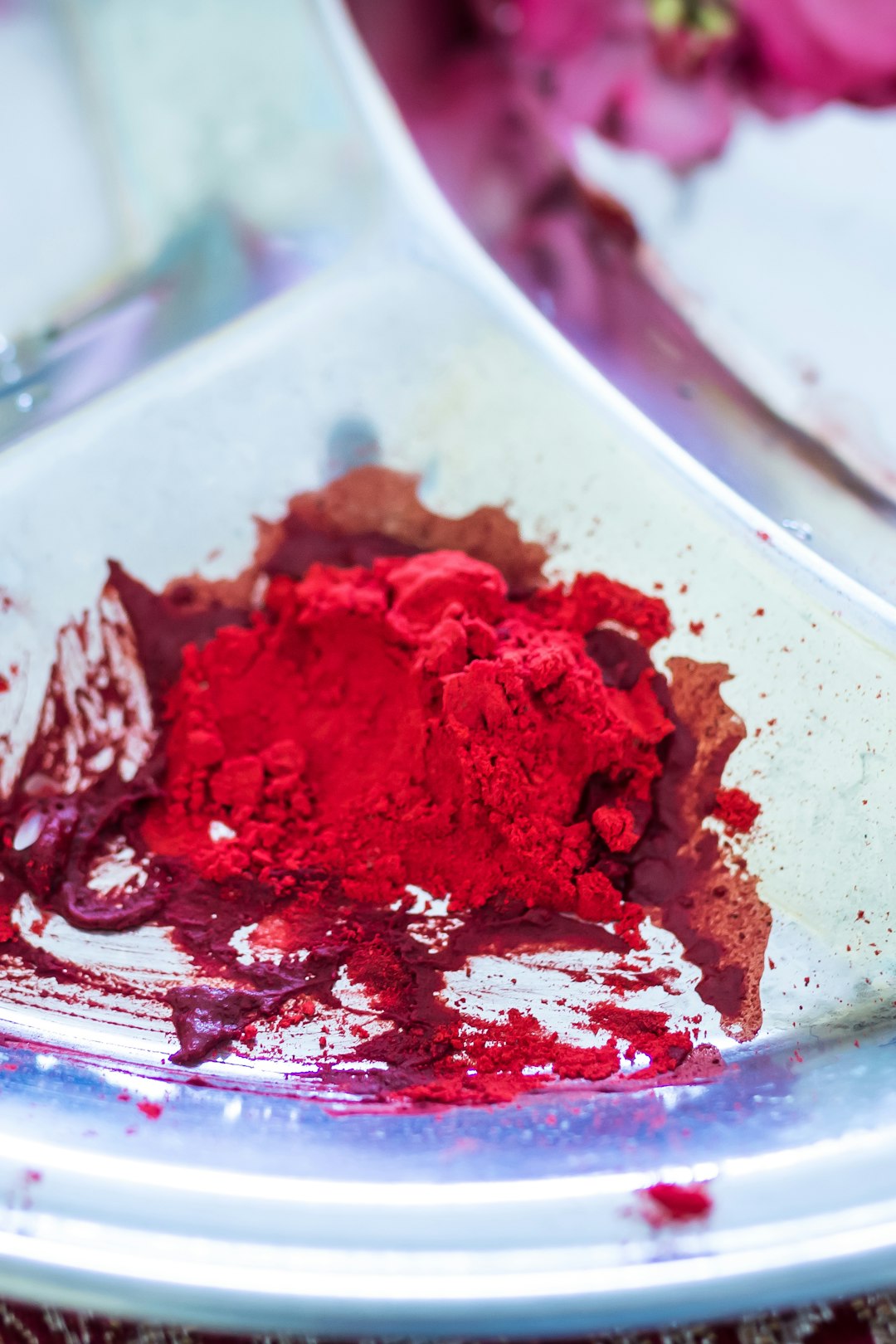
Madder is a scrambling plant with an unremarkable top and a remarkable root: dig it up, dry it, grind it, and you get one of the oldest red dyes in human history. Madder-dyed cloth has been found in Tutankhamun's tomb and in the ruins of Pompeii. It's the red in Persian carpets, the red of the British redcoats, and the "Turkey red" that European textile makers spent two centuries trying to copy. Then in 1868 German chemists synthesized the pigment (alizarin) in a lab, and within a decade the madder fields of France and the Netherlands were gone. Today it's grown on a small scale for natural dyers, artists and cosmetics.
What it does in the bar
Madder root is a colourant, and nothing else. It gives our Black Currant + Jasmine bar its rosy pink-to-red swirl, without a single synthetic dye. The exact shade shifts a little from batch to batch depending on the root, which is part of the charm of a natural colour.
What it does for skin
Very little, and that's the point. It's used in a tiny amount, it's a whole plant powder rather than an extract, and it's one of the gentlest ways to put colour in a bar. Black Currant + Jasmine has no clay or salt, so madder is the only mineral-type ingredient in it, which is part of why that bar is the softest-feeling one we make.
Good to know
Natural pink from madder root will fade slightly if a bar sits in direct sunlight for months. Keep it in the box until you're ready to use it and it'll stay rosy.