Ginger: The Warm One
Zingiber officinale. The root that launched a thousand ships.
Where it comes from
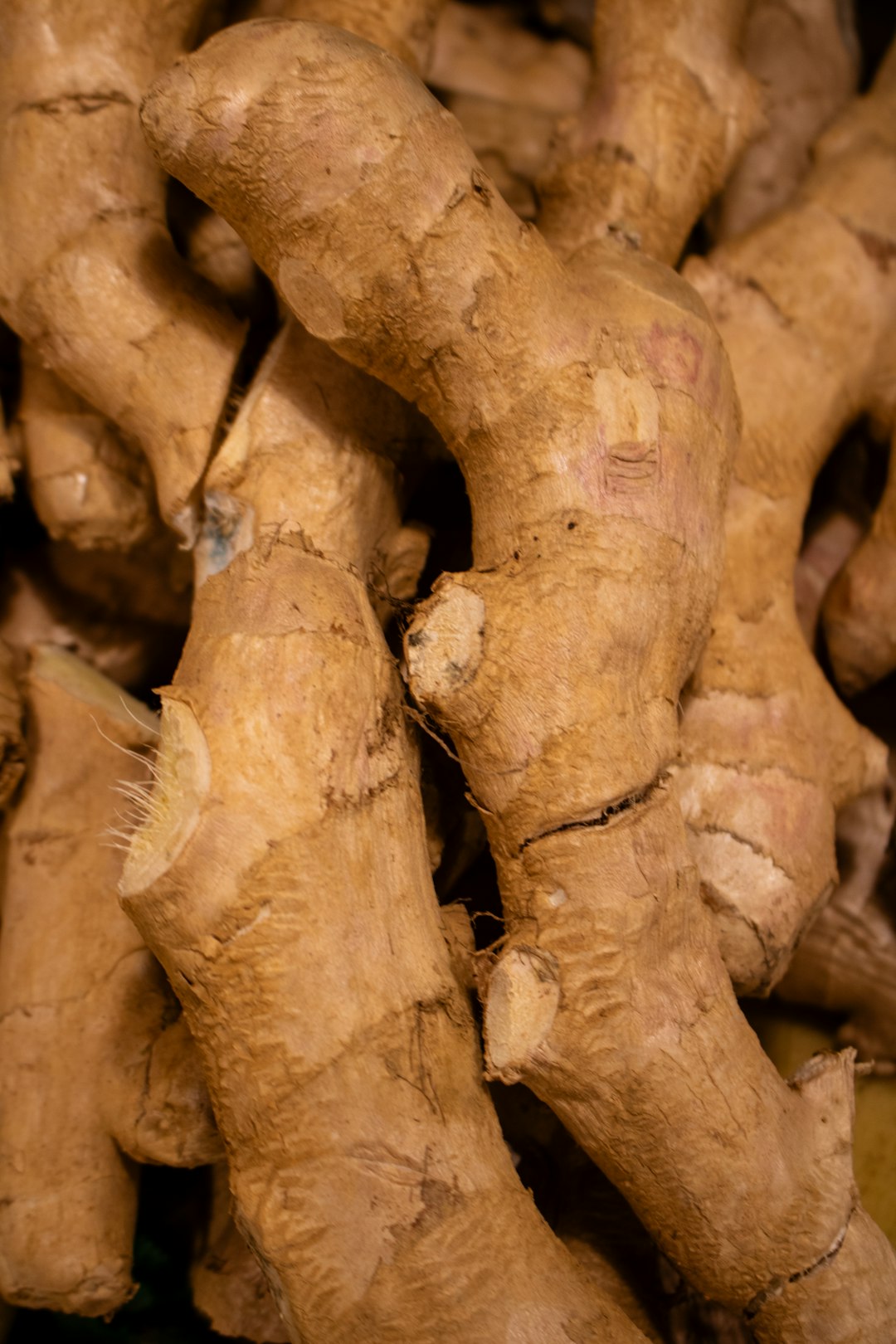
Ginger has been cultivated for so long that nobody has found it growing wild. It probably started in Southeast Asia, was in China and India by at least 500 BC, and was one of the first spices to reach the Mediterranean by sea. The Romans taxed it, medieval Europeans paid for it by the pound with silver, and it was such a staple in England that Henry VIII recommended it against the plague. The oil is steam-distilled from the dried root, with Sri Lanka, India, China and Madagascar as the main producers. Cold-pressed ginger oil exists too, but the steam-distilled version is what goes into soap.
What it does for skin
Ginger is a warming oil. It's traditionally been used to bring circulation to the surface of the skin, which is why it shows up in muscle rubs and after-sport products. In soap it adds a gentle warmth to the lather and takes the sharpness off citrus oils so a bright bar doesn't feel cold.
How it smells
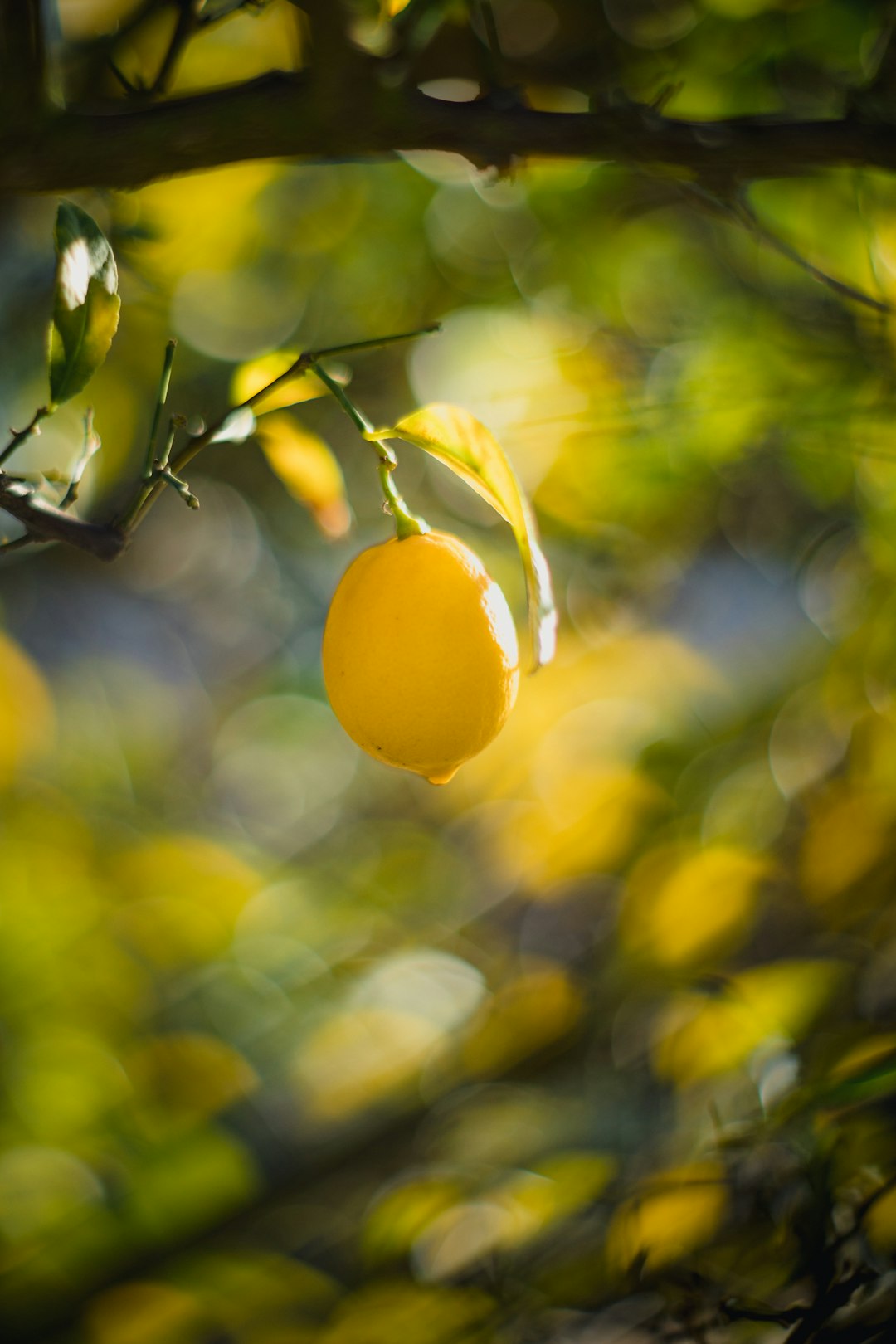
Warm, spicy and a little sweet, with a peppery kick. It's the heart of our Lemongrass & Ginger bar, the part that makes it smell like a spice market rather than a lemon.
Good to know
Our ginger root oil is certified organic. It's a mild oil on skin despite the warming feel, and it's well tolerated by most people.