Lavender: The Original Bath Oil
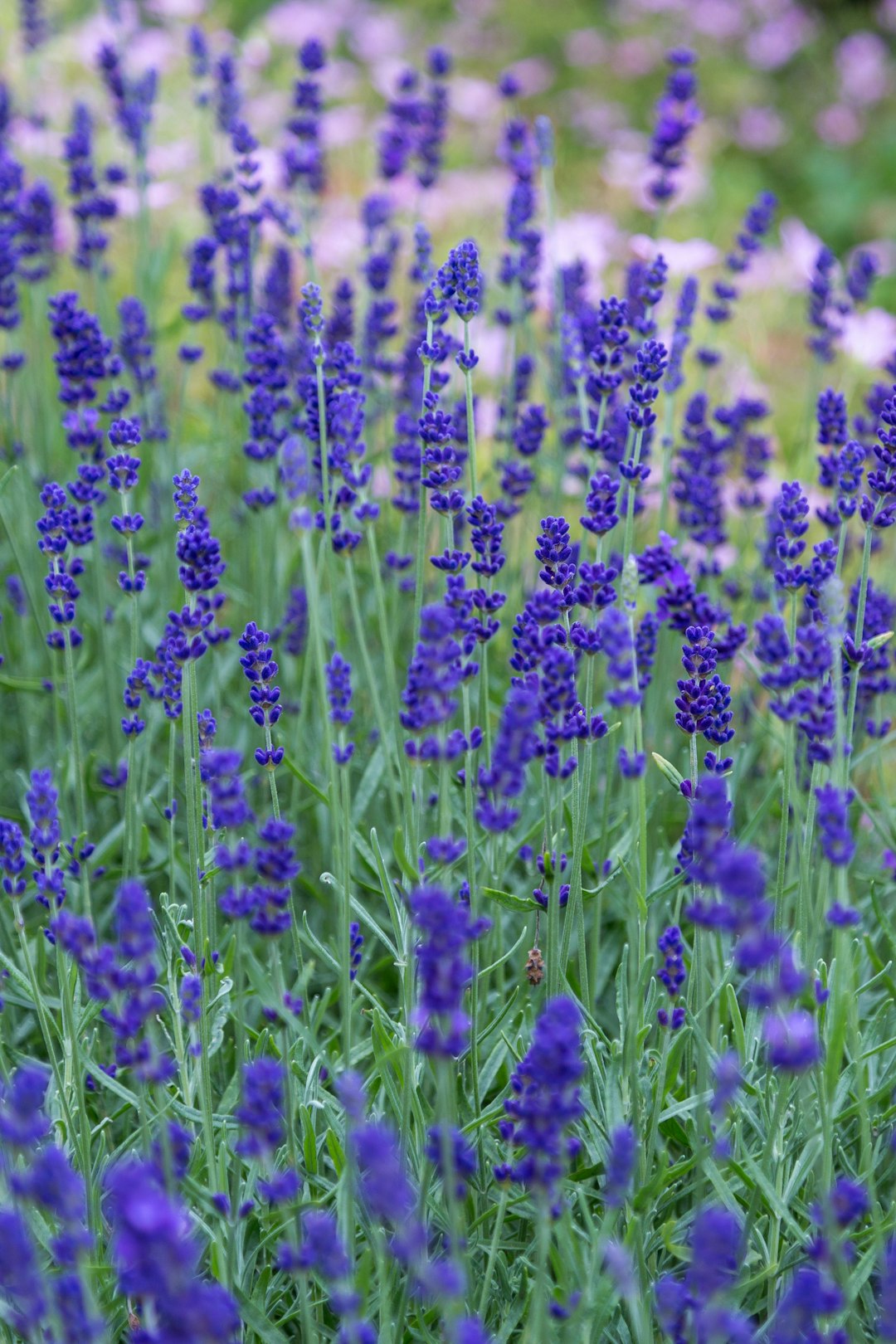
Lavandula angustifolia. The one everyone knows, and for good reason.
Where it comes from
Lavender is native to the Mediterranean, where it grows wild on dry, rocky hillsides that would kill most other plants. The Romans dropped it in their baths (the name comes from lavare, to wash), and by the Middle Ages it was hung in linen cupboards and strewn on floors to keep rooms smelling clean. Today the best-known fields are in Provence, though Bulgaria now grows more of it than France. The oil is steam-distilled from the flowering tops, and it takes roughly 100 kilos of flowers to make a litre.
What it does for skin
Lavender is the gentlest of the common essential oils, which is why it turns up in so many products aimed at sensitive skin and children. It has a long folk history as a soothing oil for minor irritation and after-sun skin, and in soap it brings a soft, calming quality to the lather without any tingle or bite. If you've been nervous about scented soap, this is the one to start with.
How it smells
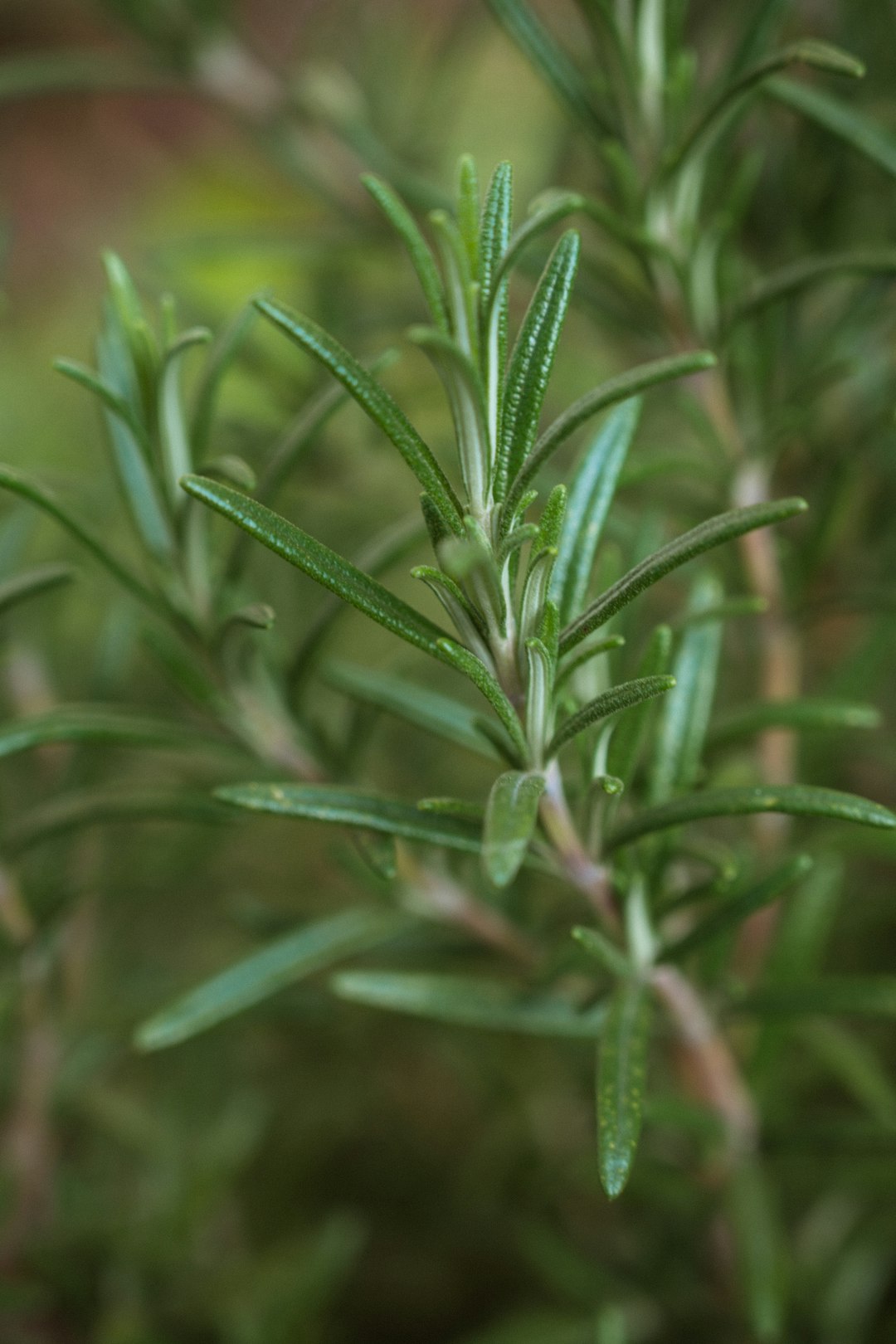
Floral, herbal and a little sweet, with a clean powdery finish. It's the heart of our Lavender + Rosemary bar, where the rosemary sharpens it up so it reads fresh rather than sleepy.
Good to know
True lavender (angustifolia) is milder and sweeter than lavandin, the hybrid that's cheaper and more camphorous. We use the real thing, and ours is certified organic.