
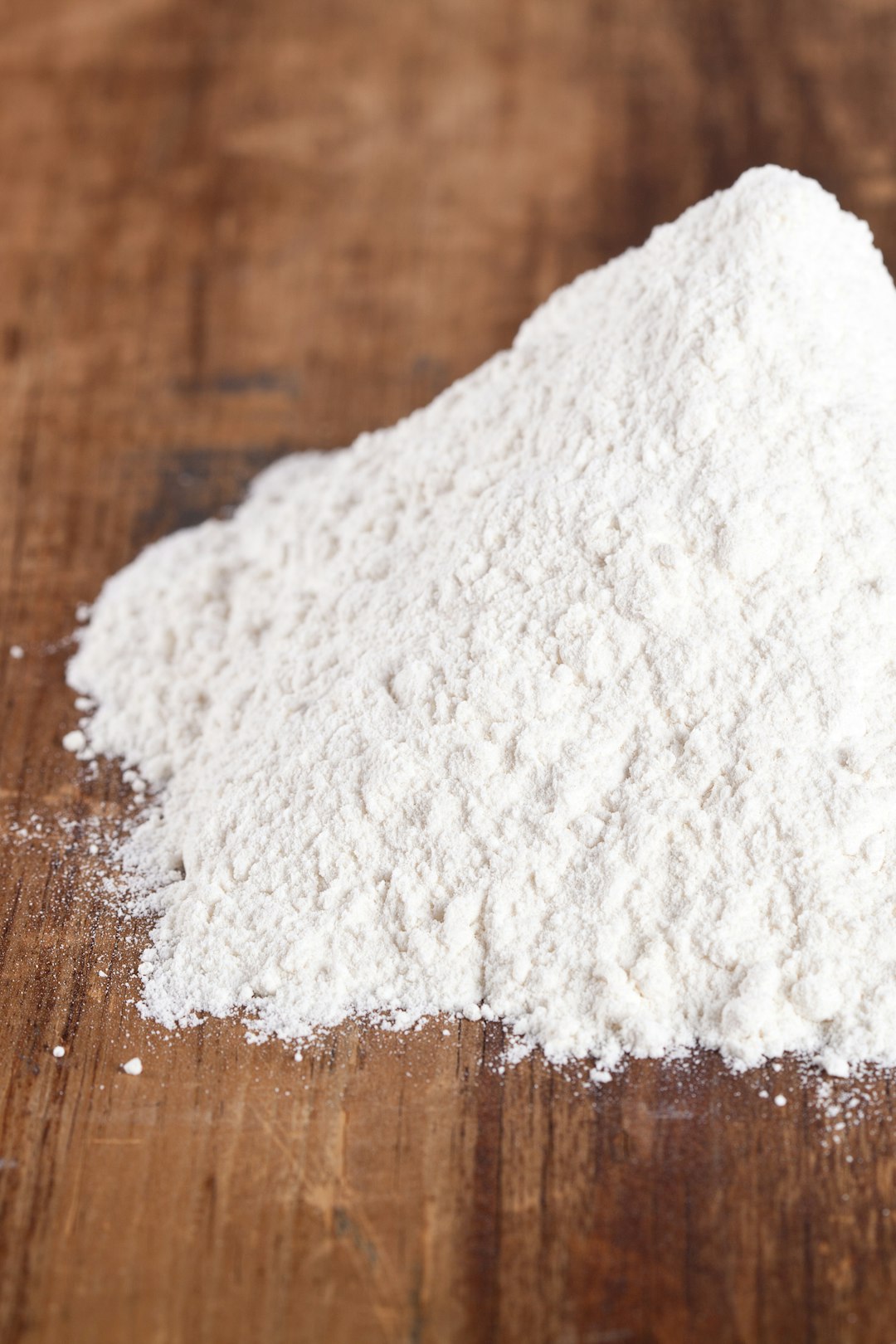
Lye: The Ingredient That Isn't There
Sodium hydroxide. The one that's on the label but not in the bar.
Where it comes from
The old Roman story goes like this. On a hill called Mount Sapo, animals were roasted over fires as offerings. The fat dripped into the wood ash below, rain washed the mixture down into the clay banks of the Tiber, and the women doing laundry there noticed their clothes came out cleaner in that stretch of river. Fat, plus the alkali in wood ash, plus water: that's soap, and "sapo" is where the word comes from.
Historians will tell you the hill probably never existed, but the chemistry is exactly right, and people had figured it out long before Rome. A Babylonian clay tablet from around 2800 BC records a recipe of fat boiled with ashes. The Egyptians, the Celts and the Gauls all made it the same way. For most of history, "lye" simply meant water that had been dripped through wood ash. It wasn't until the 1800s that chemists learned to make a purer, stronger version, sodium hydroxide, and the modern bar of soap was born.
Why it's on the label
Flip over any Goodlather box and you'll see "sodium hydroxide" in the ingredient list. That's lye. It's on there because Canadian labelling rules ask us to list what goes into the pot, not just what comes out of it, and we'd rather be upfront than hide it behind a Latin name. Every bar of real soap on Earth, from the fanciest French triple-milled to the one your grandmother made in a bucket, starts with lye. There is no such thing as soap without it.
What it does
Soap is what happens when you mix a fat with a strong alkali. The reaction is called saponification. We take our organic olive oil, coconut oil, shea and cocoa butter, and castor oil, and combine them with a measured solution of sodium hydroxide and water. The lye splits the fat molecules apart and rebuilds them into two new things: soap, and glycerin. Then it's gone. Every last molecule of lye is used up in the reaction, which is why the finished bar contains none.
How we make sure
The trick is the recipe. We use slightly more oil than the lye can react with, a technique soap-makers call superfatting. That way the lye runs out before the oil does, and the extra few percent of unreacted oil stays in the bar as pure moisturiser. Then the bars cure for four to six weeks on drying racks at the factory. Curing lets the last of the water evaporate and the bar harden, and it gives the chemistry all the time it needs to finish. We test every batch before it ships.
What it means for your skin
Nothing, and that's the point. A properly made cold-process bar is mild and skin-neutral, closer to the pH of your own skin than most liquid body washes. The glycerin that saponification creates stays in the bar too, which is why handmade soap feels softer than commercial bars, where the glycerin is usually stripped out and sold separately. If you've ever wondered why our bars leave you comfortable instead of tight, that's the lye doing its job and then leaving.
Which bars have it
All of them, and none of them. It goes into every bar we make and comes out of every bar we make. Start with the Unscented if you want to feel the difference with nothing else in the way.
Read more
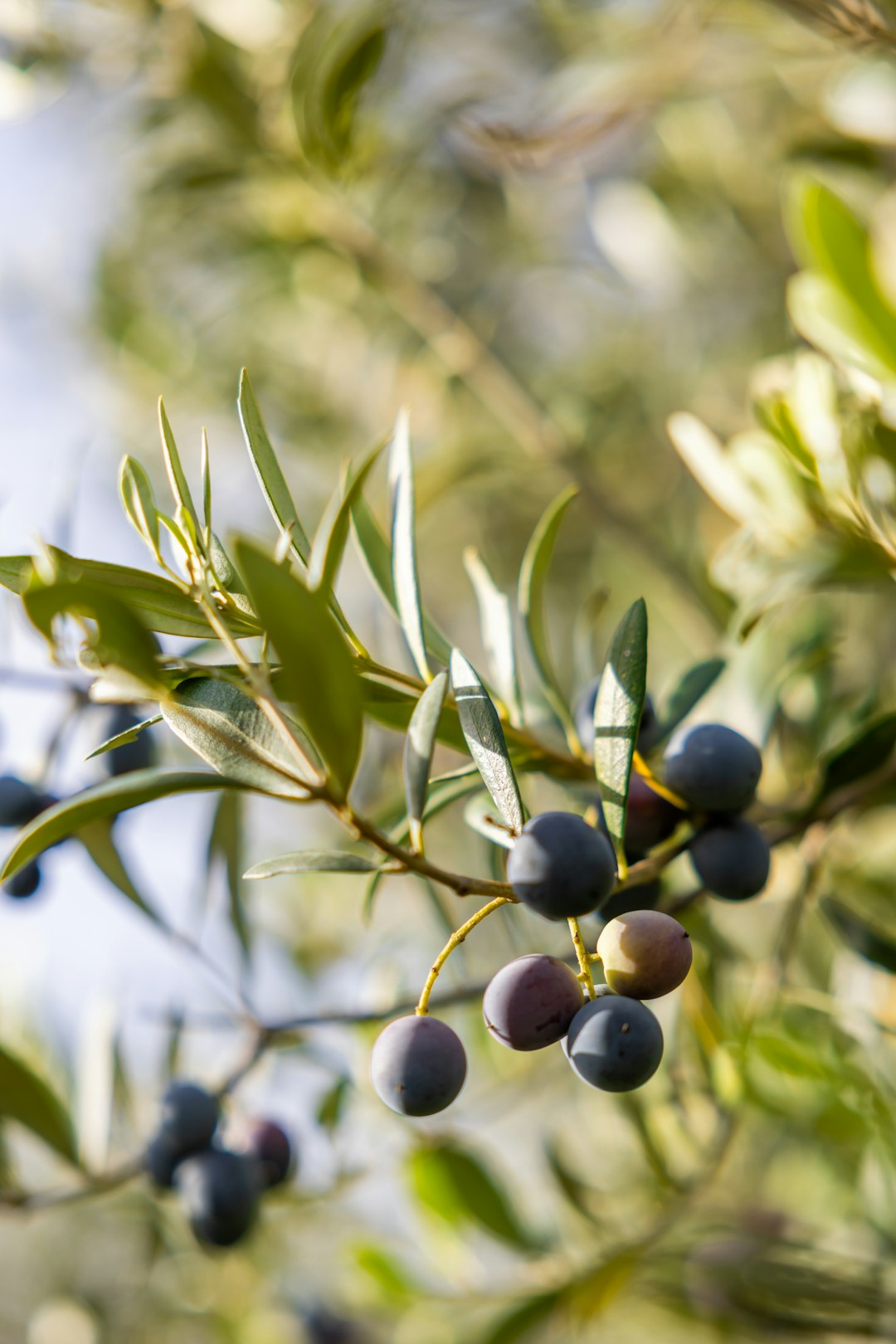
The original soap oil, from Aleppo to Marseille, and the first ingredient on every Goodlather label.

Natural bar soaps are making a comeback, and for good reason. Unlike industrial synthetic soaps, naturally derived soaps offer benefits for your skin, your health and the environment. At Goodlather...