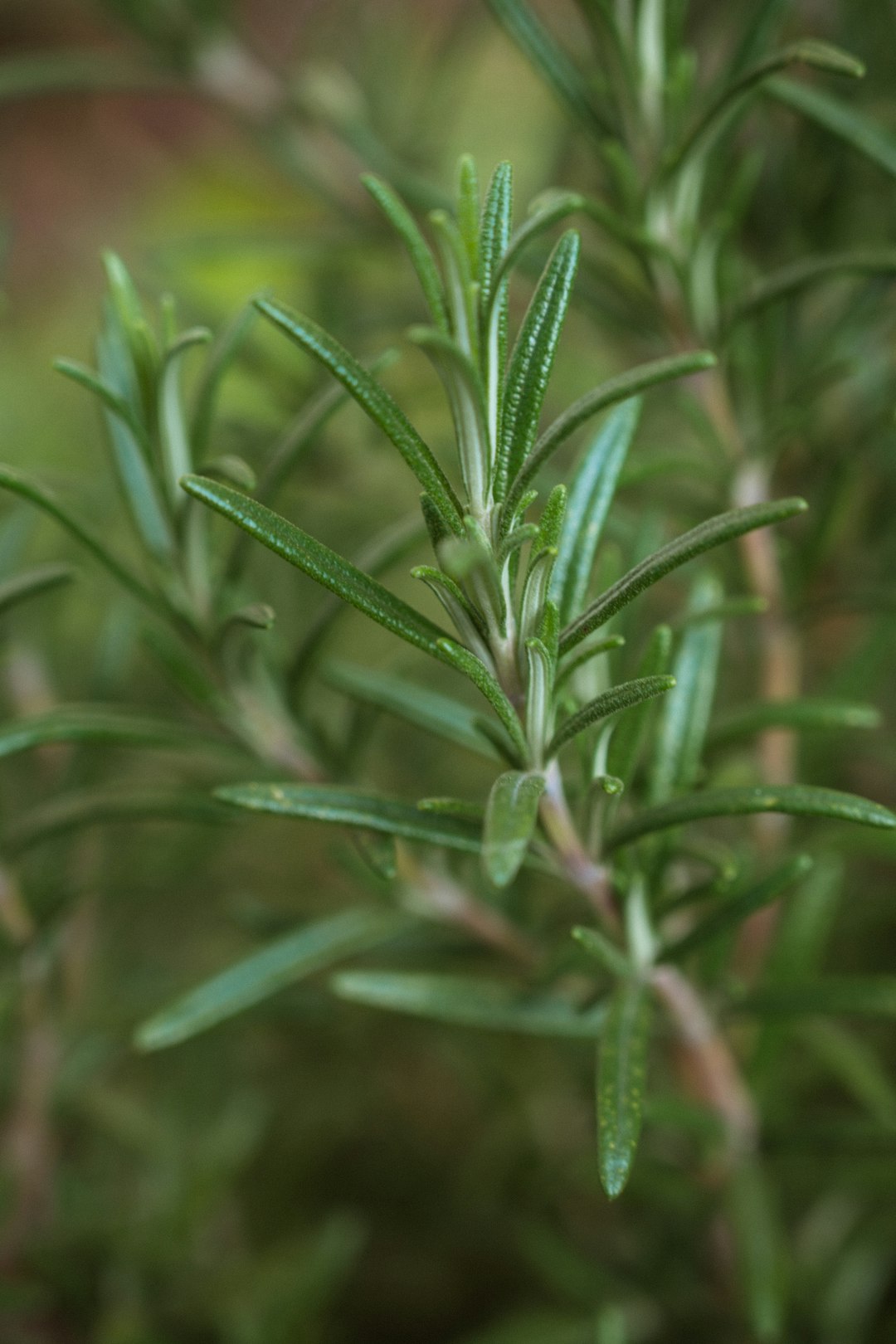
Rosemary: Dew of the Sea
Salvia rosmarinus. The herb that got promoted to the sage family.
Where it comes from
Rosemary grows along the Mediterranean coast, and its old Latin name, ros marinus, means "dew of the sea." Greek students wore sprigs of it in their hair during exams because it was believed to sharpen memory, and Shakespeare had Ophelia hand it out "for remembrance." It was burned in sickrooms and hospitals right into the 20th century as a purifying smoke. The oil is steam-distilled from the leaves and flowering tops, and most of it now comes from Tunisia, Morocco and Spain.
What it does for skin
Rosemary is a bright, stimulating oil. Traditionally it's been used to wake up tired skin and scalp, and it has a naturally clean, clarifying character that makes it a good match for oily or congested skin. In soap it adds a fresh, herbal lift and balances heavier floral oils so a bar doesn't tip into sweetness.
How it smells
Green, sharp and slightly piney, like crushing the leaves between your fingers. It's the top note of our Lavender + Rosemary bar, where it keeps the lavender honest and makes the whole thing smell like a herb garden after rain.
Good to know
Rosemary oil is naturally rich in antioxidants, which is part of why it was used to preserve food long before refrigeration. It's a stimulating oil, so if you're very sensitive, try it in the shower rather than on your face first.