Pine (Amber Oil): The Forest That Vanished
Pinus succinifera. A pine tree that's been extinct for 40 million years.
Where it comes from
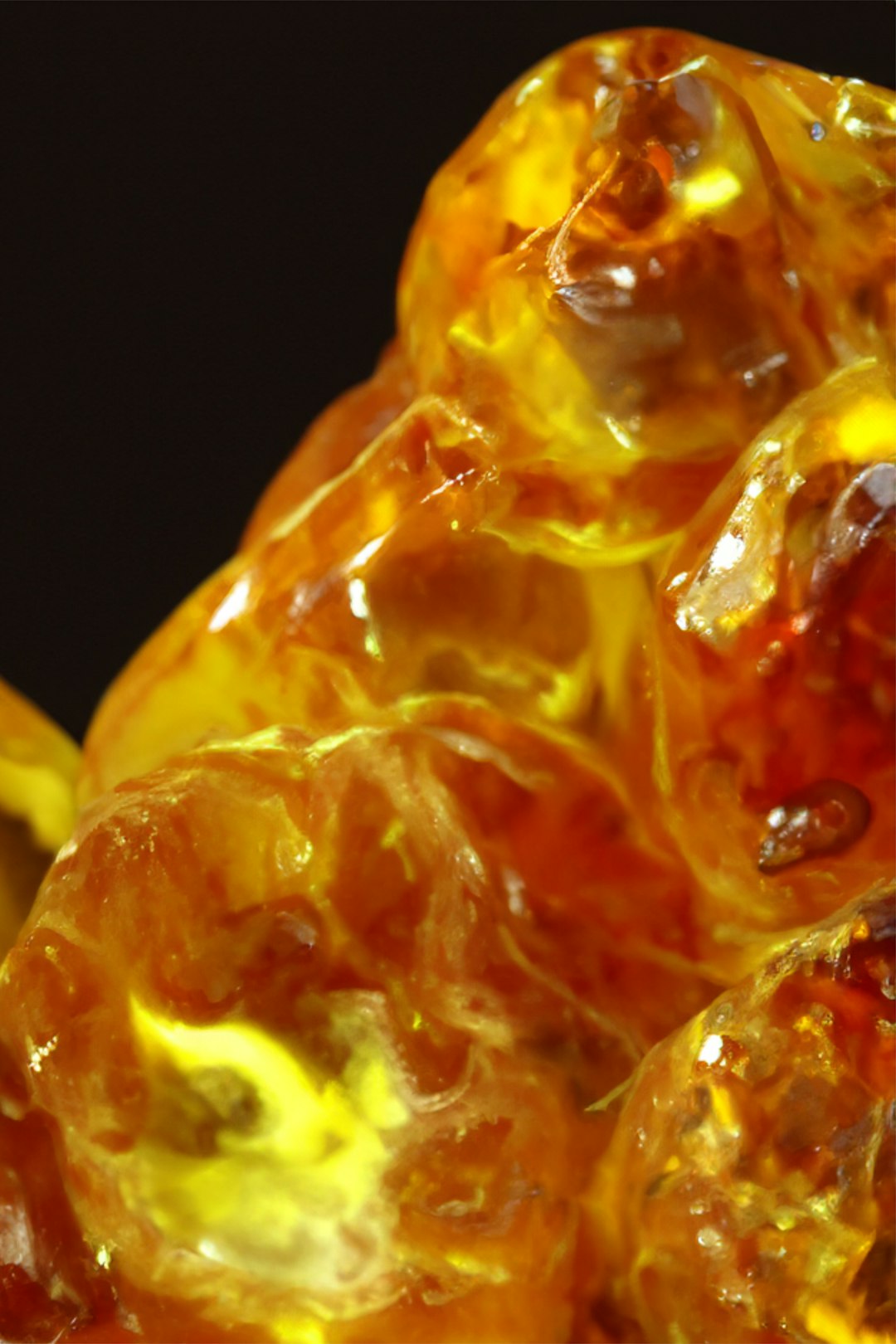
This is the strangest oil on our ingredient list. Pinus succinifera is the name given to the ancient pine forests that once covered northern Europe. Their resin dripped, hardened, was buried and, over tens of millions of years, became Baltic amber. Amber oil is made by dry-distilling that fossilized resin, a process alchemists were doing in the Middle Ages and that's still done today around the Baltic coast in Poland, Lithuania and Russia. So when you smell it, you're smelling a forest that no longer exists.
What it does for skin
Amber has a long history in European folk medicine as a warming, grounding material, worn as beads and rubbed into skin. The oil is used in very small amounts, mostly for its scent, and in soap it adds depth and a soft, resinous warmth to the lather.
How it smells
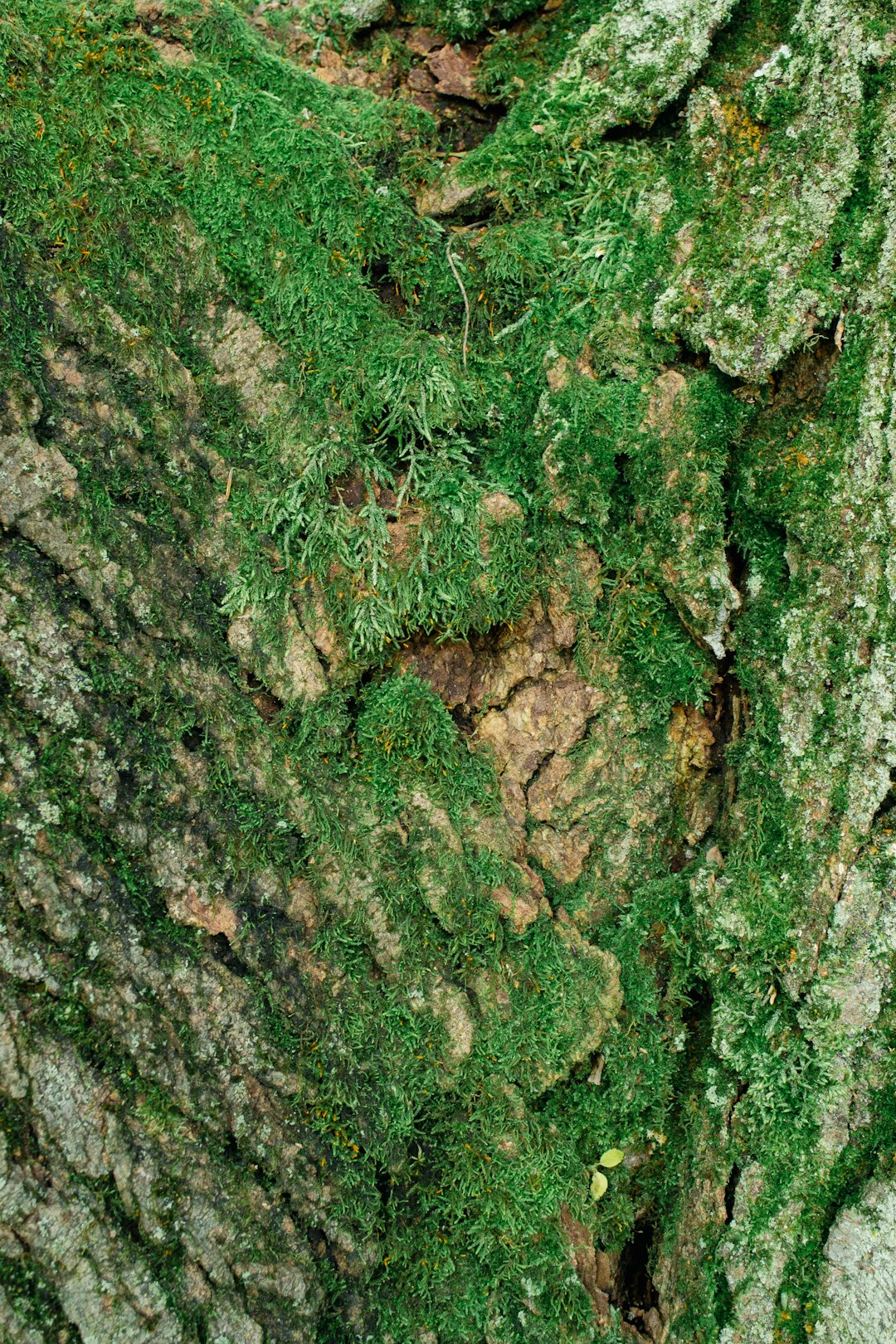
Smoky, resinous and deep, like pine sap and old wood with a faint sweetness. It's the base note of our Cedar Oakmoss bar, the part that lingers after the fresh cedar has faded and makes the whole thing smell like a forest floor rather than a Christmas tree.
Good to know
A little goes a very long way. We use it as a trace ingredient for its scent, and it's the reason Cedar Oakmoss has more staying power than most woodsy soaps.